Collaborative Post | Have you ever felt energetic after a meal, only to feel tired or hungry again a couple of hours later? Numerous things can affect how we feel throughout the day, and blood sugar is one part of the picture.
Blood sugar, also called blood glucose, is the sugar that circulates in your bloodstream and provides energy to your body’s cells. When you eat foods containing carbohydrates, your digestive system breaks them down into glucose. A hormone called insulin then helps move glucose from the bloodstream into cells, where it can be used for energy or stored for later.
Your body manages this process automatically, but everyday habits can influence how well it works. What you eat, how much you move, whether you get enough sleep, and how you handle stress can all play a role in blood sugar regulation.
The encouraging part is that you do not have to change your entire lifestyle overnight. A few realistic adjustments, repeated consistently, can help support healthy blood sugar levels. Here is how to make those changes part of your everyday routine.
1. Rethink What You Eat for Breakfast
Breakfast can set the tone for your morning, especially when it comes to how long you feel satisfied after eating. A breakfast made mostly of refined carbohydrates and added sugar may cause blood glucose to rise quickly. Depending on the meal and your individual response, you may also find yourself feeling hungry again sooner.
That does not mean you need to give up carbohydrates. Instead, think about what you can add to make your meal more balanced.
Protein, fiber, and healthy fats can make a meal more satisfying. Fiber also slows digestion, which can help moderate the rate at which glucose enters the bloodstream.
For example, you could have whole-grain toast with eggs, plain yogurt with nuts and seeds, or a bowl of oatmeal topped with nuts and a small serving of fruit. If you prefer a savory breakfast, lentils, beans, or another protein source paired with vegetables can work well, too.
The idea is to look beyond a single ingredient and consider the whole meal. You do not need an elaborate breakfast or expensive ingredients. Even a simple combination of familiar foods can provide a better balance of nutrients.
2. Build Better Meals Without Cutting Out Carbs
Carbohydrates often get blamed whenever blood sugar comes up, but not all carbohydrate-rich foods affect the body in the same way. Whole grains, beans, lentils, vegetables, and whole fruits provide nutrients and fiber that are often missing from highly refined foods.
Fiber is particularly useful because the body does not digest it in the same way it digests other carbohydrates. It can slow digestion, support gut health, and help reduce sharp rises in blood glucose after meals.
A practical way to put this into action is to pay attention to how you fill your plate. Try making vegetables the largest portion of your meal, adding a source of protein, and including a sensible portion of carbohydrate-rich food.
For instance, rather than eating a large serving of white rice on its own, you could pair a moderate portion with lentils, vegetables, and another suitable protein source. The same principle applies to pasta, bread, potatoes, and other carbohydrate-rich foods.
You do not have to eliminate the foods you enjoy. Portion sizes, food combinations, and your overall eating pattern all matter. If you have diabetes or another condition that affects glucose regulation, your ideal carbohydrate intake may differ from someone else’s, so individualized guidance is important.
3. Take a Short Walk After Meals
Exercise does not have to mean spending an hour a day at the gym. Sometimes, one of the easiest habits to maintain is simply walking a little more throughout the day.
When you move, your muscles use glucose for energy. Muscle contractions can also help your body absorb glucose more effectively, including through pathways that do not rely entirely on insulin. Over time, regular physical activity can improve insulin sensitivity, meaning your body may need less insulin to manage the same amount of glucose.
Walking after a meal is a particularly practical option. A gentle walk of around 10 to 15 minutes after lunch or dinner can help reduce the rise in blood glucose that often follows eating. The effect varies from person to person, but it is a useful habit for many people.
You can start by walking around your neighborhood, taking the stairs when appropriate, or moving around the house after dinner instead of sitting down immediately. If you work at a desk, short movement breaks during the day can help you avoid long periods of sitting.
Do not worry about reaching a perfect step count. Start with an amount of movement that feels comfortable and build gradually. If you have mobility limitations or a medical condition that affects exercise, choose an activity that is safe for you and seek guidance if necessary.
4. Pay More Attention to What You Drink
It is easy to focus on food and forget that drinks can contribute a significant amount of sugar to your diet. Sweetened tea and coffee, soft drinks, energy drinks, and some packaged beverages can contain considerable amounts of added sugar without making you feel particularly full.
Liquid carbohydrates are often absorbed more quickly than carbohydrates in solid foods, especially when the drink contains little or no fiber. As a result, sugary drinks can raise blood glucose quickly.
Water is a sensible everyday choice because it helps you stay hydrated without adding sugar. Unsweetened tea and other unsweetened drinks are also options if you want something with more flavor.
If you regularly drink sweetened beverages, you do not necessarily have to cut out every sugary drink. Try using less sugar in your tea or coffee, choosing a smaller serving, or replacing one sugary drink each day with water.
It is also worth remembering that whole fruit and fruit juice are not quite the same. Whole fruit contains fiber and usually takes longer to eat, making it more filling. Juice can deliver a concentrated amount of sugar in a much smaller serving.
Staying hydrated supports normal bodily functions, but drinking more water is not a substitute for medical care or a treatment for high blood sugar.
5. Don’t Underestimate the Importance of Sleep
A poor night’s sleep can affect more than your mood the next morning. When insufficient sleep becomes a regular pattern, it can interfere with the body’s ability to regulate glucose.
Research has linked inadequate sleep with reduced insulin sensitivity and changes in hormones involved in appetite. This may make it harder for the body to manage blood glucose effectively and can also increase cravings for high-calorie foods.
Most adults need around seven to nine hours of sleep each night, although individual needs vary. Getting enough rest consistently is more useful than trying to catch up on missed sleep once a week.
Start by keeping your bedtime and wake-up time reasonably consistent, even on weekends. Give yourself time to unwind before bed, reduce caffeine late in the day, and keep your bedroom comfortable and quiet.
If you regularly wake up feeling exhausted despite getting enough hours of sleep, or if you snore heavily and experience interrupted breathing at night, consider discussing it with a healthcare professional. Sleep problems can have several causes, and some deserve medical attention.
6. Find Simple Ways to Manage Everyday Stress
Stress is a normal part of life, but ongoing stress can affect blood sugar regulation. When you feel stressed, your body releases hormones, including cortisol and adrenaline, that prepare you to respond to a challenge. These hormones can increase the amount of glucose available in the bloodstream.
That response can be useful in the short term. However, persistent stress may make blood glucose harder to manage, particularly for people who already have diabetes or insulin resistance.
The answer is not to eliminate every source of stress. That is rarely realistic. Instead, look for small ways to give yourself a break during the day.
You might spend ten minutes walking outdoors, listen to music on your commute, practise slow breathing, or make time for a hobby that helps you relax. Some people find that writing down their thoughts or talking to someone they trust makes stressful situations easier to handle.
The most helpful approach is the one you can realistically maintain. A short, regular break may be more useful than an ambitious relaxation routine that you never have time to follow.
If stress is affecting your sleep, appetite, or ability to manage everyday responsibilities, consider seeking professional support.
7. Be Thoughtful About Supplements
Food, movement, sleep, and stress management form the foundation of a healthy routine. Still, some people want to learn more about nutritional supplements that are marketed for blood sugar support.
If you are researching available options, Terry Naturally blood sugar balance is one product-related resource you can review to learn more about Sucontral D.
Before buying a supplement, take time to read the ingredient list, serving instructions, warnings, and other product information. Pay attention to the ingredients and amounts rather than relying on broad promises about what a product might do.
It is also important to understand that natural does not automatically mean risk-free. Certain ingredients can interact with prescription medicines or affect blood glucose, potentially increasing the risk of hypoglycemia, or low blood sugar. This is particularly important if you take insulin or other glucose-lowering medication.
Ask a qualified healthcare professional or pharmacist whether a supplement is appropriate for you, especially if you have diabetes, are pregnant, have an ongoing medical condition, or take regular medication. Supplements should not replace prescribed treatment, and a product’s intended use should not be mistaken for proof that it will work for everyone.
8. Make Healthy Habits Easy to Repeat
Knowing what to do is one thing. Finding a way to keep doing it when life gets busy is another.
You may start the week with plans to cook every meal, exercise daily, and get eight hours of sleep. Then work gets hectic, family responsibilities pile up, and your routine falls apart. This is common, and it does not mean you have failed.
A better approach is to make your habits small enough to fit into an ordinary day.
Keep a few balanced meal options available so you are not relying on convenience foods whenever you are short on time. Take a brief walk after one meal rather than trying to fit in several workouts immediately. Prepare your water bottle before leaving home, or set a regular time to start winding down at night.
It can also help to focus on one change at a time. For the first week, you might concentrate on walking after dinner. Once that feels natural, work on breakfast or sleep.
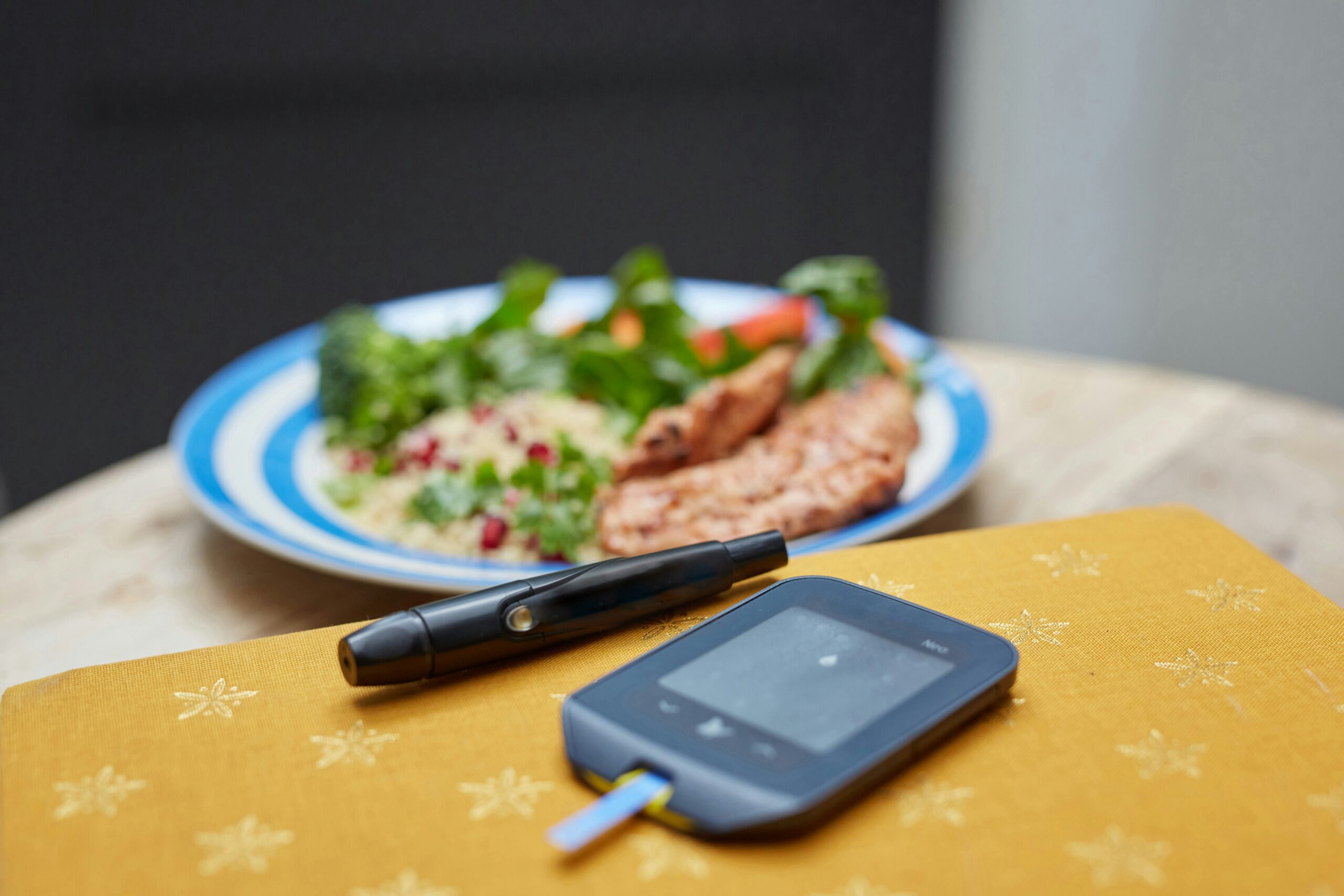
If you have diabetes and monitor your blood glucose at home, your readings may help you understand how different meals and activities affect you. Follow your healthcare professional’s recommendations about when to test and how to interpret the results. A single reading does not tell the whole story, and glucose targets vary from person to person.
When Should You Seek Medical Advice?
Healthy habits can support blood sugar management, but they are not a substitute for appropriate testing or medical treatment.
Prediabetes and type 2 diabetes can develop without obvious symptoms. If you are at increased risk, or if you have concerns about your blood sugar, speak with a healthcare professional about whether testing is appropriate.
Possible symptoms of high blood sugar include increased thirst, frequent urination, blurred vision, and unexplained fatigue. These symptoms can have other causes, too, so it is important not to diagnose yourself based on symptoms alone.
Seek urgent medical attention if you experience severe symptoms such as vomiting, abdominal pain, difficulty breathing, confusion, or marked drowsiness, particularly if you have diabetes or suspect very high blood glucose.
If you take medication that lowers blood sugar, ask your healthcare professional how to recognize and respond to low blood glucose. Changes in diet or exercise can sometimes affect medication needs. Therefore, do not change prescribed doses on your own.
Small Changes Can Add Up Over Time
Healthy blood sugar balance is not about eating perfectly, avoiding every carbohydrate, or following a complicated wellness routine. It is about understanding how everyday choices affect your body and finding a realistic way to make those choices work for you.
Build meals around a variety of nutritious foods. Move regularly, even if that means taking a short walk after dinner. Drink water throughout the day, protect your sleep, and find ways to manage stress before it becomes overwhelming.
You will not necessarily notice a dramatic difference after one day, and that is perfectly normal. The value lies in repeating habits that support your health over time.
Start with one change that feels manageable, give yourself time to make it part of your routine, and build from there. Combined with appropriate medical guidance when needed, these everyday steps can become a practical foundation for long-term well-being.
Leave a Reply