Collaborative Post | Families notice it in small ways first. The kitchen gets crowded before breakfast is even over, somebody takes work calls from the laundry room, and the couch somehow becomes a desk, dining chair, and nap spot all in the same day. Most homes were not built for the kind of life families are trying to squeeze into them now, and honestly, it shows.
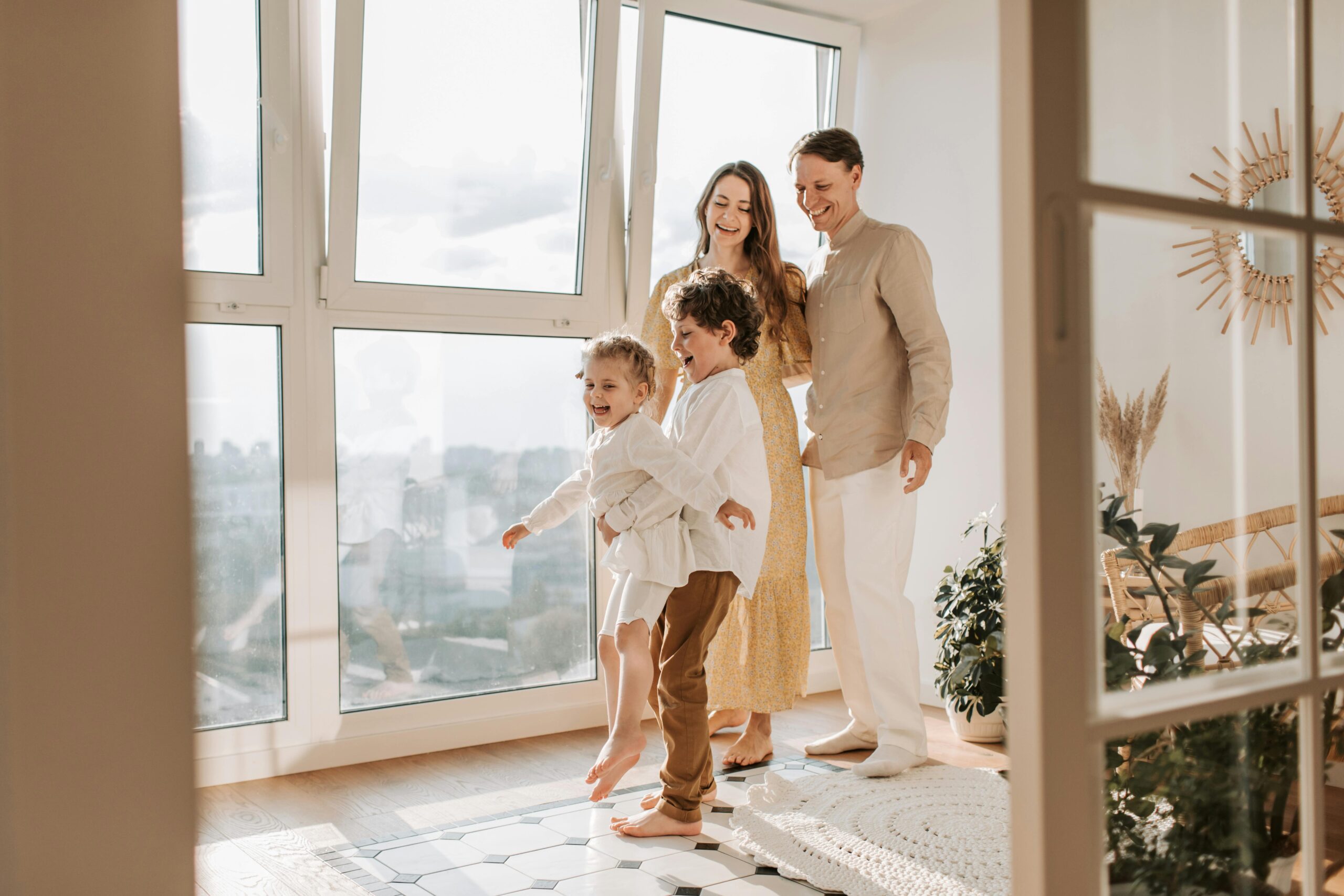
In Pittsburgh, that shift has become easier to spot over the last few years. Families are spending more time at home, but not always in the relaxing way people imagined before. Homes have turned into workplaces, classrooms, workout corners, and gathering spaces all at once. Families are now looking around their houses differently, trying to figure out what still works and what quietly stopped working a long time ago.
Why Families Are Rethinking the Way Their Homes Function
Many homeowners are not chasing big upgrades or luxury trends. Most are simply reacting to how exhausting daily routines have become inside spaces that no longer fit modern life. Houses that once worked well enough for evenings and weekends are now expected to handle work meetings, online classes, hobbies, storage, family dinners, and quiet time all under the same roof. That creates pressure on every room, especially in homes built long before any of these routines became normal.
Families are also realizing that moving is not always the easier option. Costs have significantly increased, neighborhoods matter more, and many people would rather improve the home they already know than start over somewhere else. This is why homeowners today turn to an expert Pittsburgh remodeling company when they start thinking seriously about how to make their spaces more functional. The goal is not to create a perfect showcase home. It is simply to make everyday life feel less cramped, less noisy, and a little easier to manage.
The House Stayed the Same While Life Changed
Open floor plans once sounded ideal because everybody wanted airy rooms and easier entertaining. Then remote work became common, and suddenly nobody could hear themselves think during meetings because someone else was blending smoothies five feet away. Parents started noticing that shared spaces create stress when every person in the house needs quiet at the same time.
Many renovations happening now are more practical than flashy. Better storage solutions keep coming up because clutter spreads fast when homes are used constantly. Mudrooms are getting redesigned because backpacks, shoes, sports gear, and coats somehow multiply overnight. Small adjustments end up mattering more than people expect.
Kitchens Became the Center of Everything
Kitchens still get most of the attention, although the reason has shifted a little. Families want kitchens where people can move around each other without constantly apologizing or stepping sideways. The room has become a work zone, social space, homework station, and gathering spot all at once. Layout matters more when a room gets used consistently throughout the day.
Bathrooms are another example. Double sinks used to feel like a bonus feature people bragged about during house tours. Now they feel closer to crowd control. Morning routines move faster when people are not bumping elbows while trying to brush their teeth.
Durability Matters More Than Before
There is also more focus on durability than there used to be. People want floors that survive pets, children, wet shoes, dropped toys, and regular life without turning every scratch into a small crisis. Easy-to-clean surfaces matter more now, too. Most homeowners do not want rooms that need constant maintenance just to look decent.
Technology changed some of this thinking as well. Once people became used to convenience in every other part of life, they started expecting homes to work smarter too. Better lighting placement, charging stations, useful outlets, and stronger Wi-Fi coverage. These are not dramatic upgrades, but people notice quickly when a home was not designed for modern habits.
Homes Are Being Designed Around Real Life
Something else shifted quietly during the last few years. Families stopped designing homes around appearances alone. Formal dining rooms that only get used twice a year feel less important now. Oversized tubs nobody touches are being replaced with practical showers that make mornings easier. More people want spaces that support real routines instead of rooms designed mostly for show.
Social habits changed too, even if people do not always talk about it directly. Gatherings have become more casual. Friends stop by for shorter visits. Families spend more time together at home instead of constantly going out. Comfortable spaces matter more than perfectly styled ones because homes are expected to function for real life now, not just occasional entertaining.
Flexibility Has Become Part of Modern Living
There is also a growing awareness that homes need flexibility because life rarely stays predictable for long. Older parents may move in later. Adult children sometimes stay home longer than expected because housing costs are high. Some families need extra workspace now. Others need quiet corners where somebody can study or take calls without hearing the television in the background.
Many people remodel their homes because staying connected to familiar places feels emotionally easier than moving away. Neighbors matter, and so do routines, nearby relatives, schools, and the small habits people build over the years. Improving the house while keeping those parts of life steady often feels less disruptive than packing everything into boxes and starting over somewhere new.
The Emotional Side of Remodeling
Renovation work rarely stays simple for long. Costs creep up, walls hide problems nobody expected, and even choosing cabinet handles starts feeling weirdly exhausting after a while. However, families go through the remodeling process because daily life changes afterward in noticeable ways. Less crowding. More quiet when needed. Rooms that finally work with real routines instead of constantly fighting against them.
Families are no longer treating the home as a static thing that stays the same for decades while life changes around it. They are adjusting their spaces because routines changed first. Some of those changes are practical. Some are emotional. Usually, it ends up being a mix of both in ways homeowners do not fully notice until they finally sit in a room that works better and realize how tense the old setup had quietly become.
Leave a Reply