Updated on October 15th, 2025
AD | From the clothes we wear to the homes we live in, the spaces we inhabit are deeply influenced by design. Good design does not just look aesthetically pleasing—it improves functionality, boosts mood, and creates environments that promote efficiency and comfort. Here is how design enhances everyday living.
Design in the Home: Comfort and Functionality Combined
The home is where we spend much of our time. Thoughtful design is essential to creating a comfortable and functional living space. The layout of a room, the choice of furniture, the colours on the walls, and even the lighting all contribute to how we feel in that space.
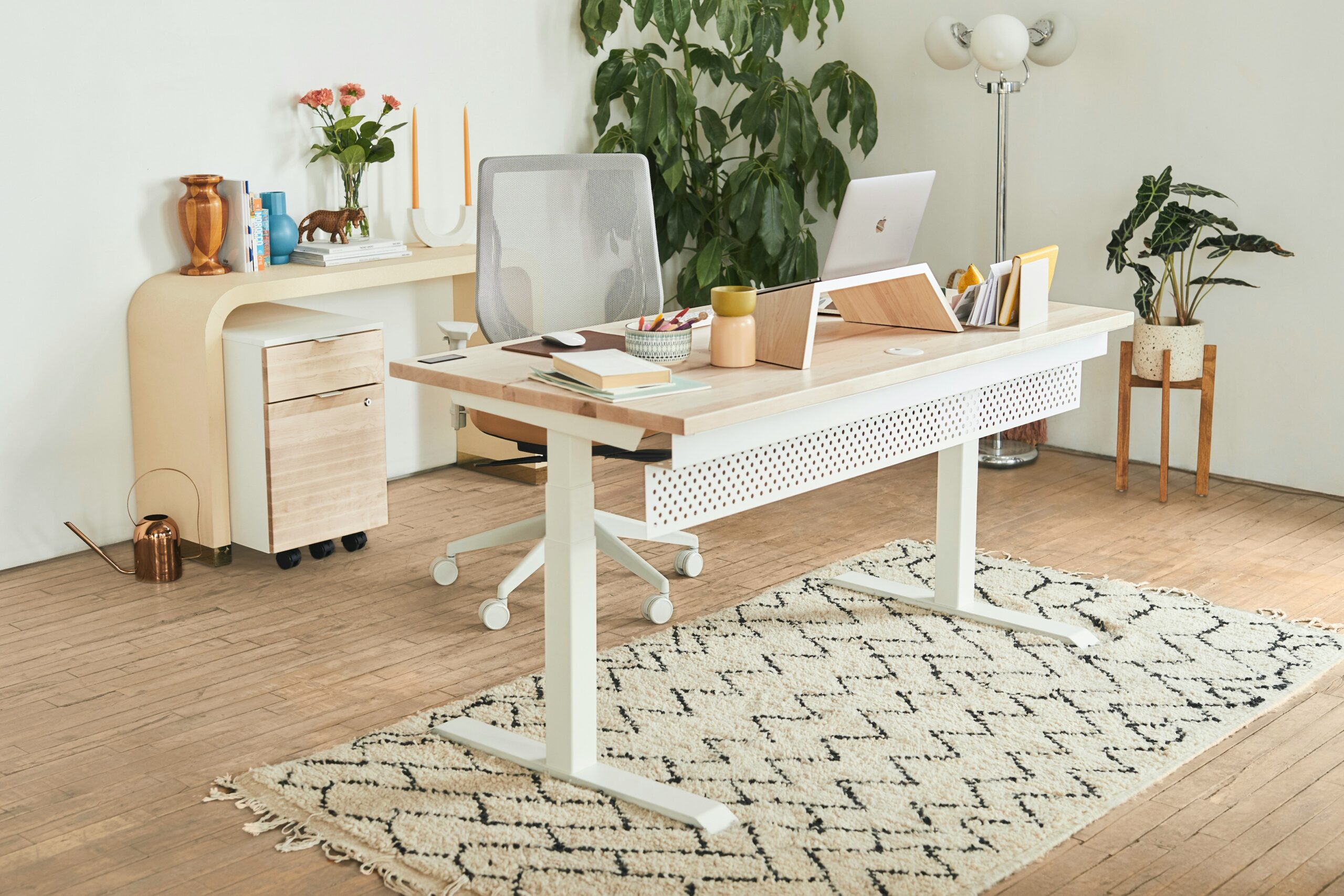
For instance, a well-designed living room encourages relaxation and socialisation, while an ergonomic office setup fosters productivity and well-being. When designing spaces, the goal is often to balance aesthetics with practicality—ensuring that the space not only looks good but also serves its intended purpose.
Innovations like smart home systems further enhance the way we interact with our surroundings. Technology integrated seamlessly into the design of a home can improve energy efficiency, enhance security, and provide convenience. Simple touches like adjustable lighting, climate control, and voice-activated assistants can transform everyday tasks into effortless activities.
NOW Aluminium offers bespoke bifold doors and windows, enhancing the aesthetic appeal and functionality of any home. With a wide range of customisation options, including different colours and configurations, their products are designed to meet both practical and visual needs. By incorporating high-quality aluminum materials, NOW Aluminium ensures durability and performance, making their designs ideal for improving the everyday living experience in homes. Whether it is for an energy-efficient home or a stylish modern interior, NOW Aluminium provides solutions that elevate daily life.
Design in Everyday Products: Streamlining Daily Tasks
Design also plays a significant role in the everyday products we use. Take, for example, the design of kitchen tools, appliances, or even the smartphone in your pocket. A well-designed product can streamline a task, making it quicker, easier, and more efficient. Whether it is a blender that creates the perfect smoothie with the push of a button or a smartphone with an intuitive interface, the impact of design on our daily routines is significant.
Moreover, design often addresses a human need or problem, enhancing functionality. Products that are designed to be ergonomic—such as chairs that support good posture or handheld devices that fit comfortably in the hand—make day-to-day activities more comfortable and efficient.
The Influence of Design on Health and Well-being
Good design is not just about appearance—it can also improve our health and well-being. Thoughtfully designed spaces, such as hospitals or wellness centres, can make a huge difference to our mental and physical health. For example, hospital designs that consider patient comfort, such as calming colours, natural light, and spaces for rest, help reduce stress and improve recovery rates.
The design of public spaces also influences our well-being. Parks and green areas that encourage outdoor activity and provide places for relaxation contribute to a healthier lifestyle. A thoughtfully designed city layout can promote walking or cycling, reducing reliance on cars and fostering a more active community.

Design and Sustainability: Improving the Future
In recent years, the focus on sustainable design has gained significant traction. Products and buildings designed with sustainability in mind help reduce environmental impact. Using renewable materials, designing for energy efficiency, and considering the entire lifecycle of a product are all elements that contribute to a healthier planet.
Sustainable design not only benefits the environment but also contributes to long-term cost savings for individuals and businesses. For example, energy-efficient appliances and eco-friendly home designs reduce utility costs while also helping to reduce carbon footprints. As we continue to prioritise sustainability, design will play an increasingly important role in shaping a more sustainable future.
Conclusion
Incorporating thoughtful design into everyday life does not just make things look better—it improves how we live. Whether through more functional home layouts, user-friendly products, or designs that promote well-being, the impact of good design is felt every day.
Oh yes.. I so agree!
Yes!