Collaborative Post | Safety usually fades into the background until something shifts. On most days, it sits quietly inside your routine. You lock the doors, wipe the counters, move through familiar rooms, and trust that your home is working the way it should.
That trust makes sense. Nothing looks wrong. Nothing feels urgent. Then life changes a little. You start caring for someone else, helping a family member, or paying closer attention to how a space actually functions. Suddenly, the details that once felt minor begin to stand out.
The Everyday Things We Stop Noticing
Familiar spaces can make us less observant. When you see the same rooms every day, you stop questioning them. The chair in the corner, the narrow walkway, the shoes by the door, the item on the top shelf that takes a stretch to reach, all of it starts to feel normal.
That is often how blind spots develop. It is not about carelessness. It is about routine. A crowded path, a drawer that sticks, or something stored in an awkward spot can go unnoticed for weeks or even months. When nothing has gone wrong, it is easy to believe everything is fine.
Then something makes you look again, and you realize how much safety depends on the things you barely registered before.
When Your Perspective Starts to Shift
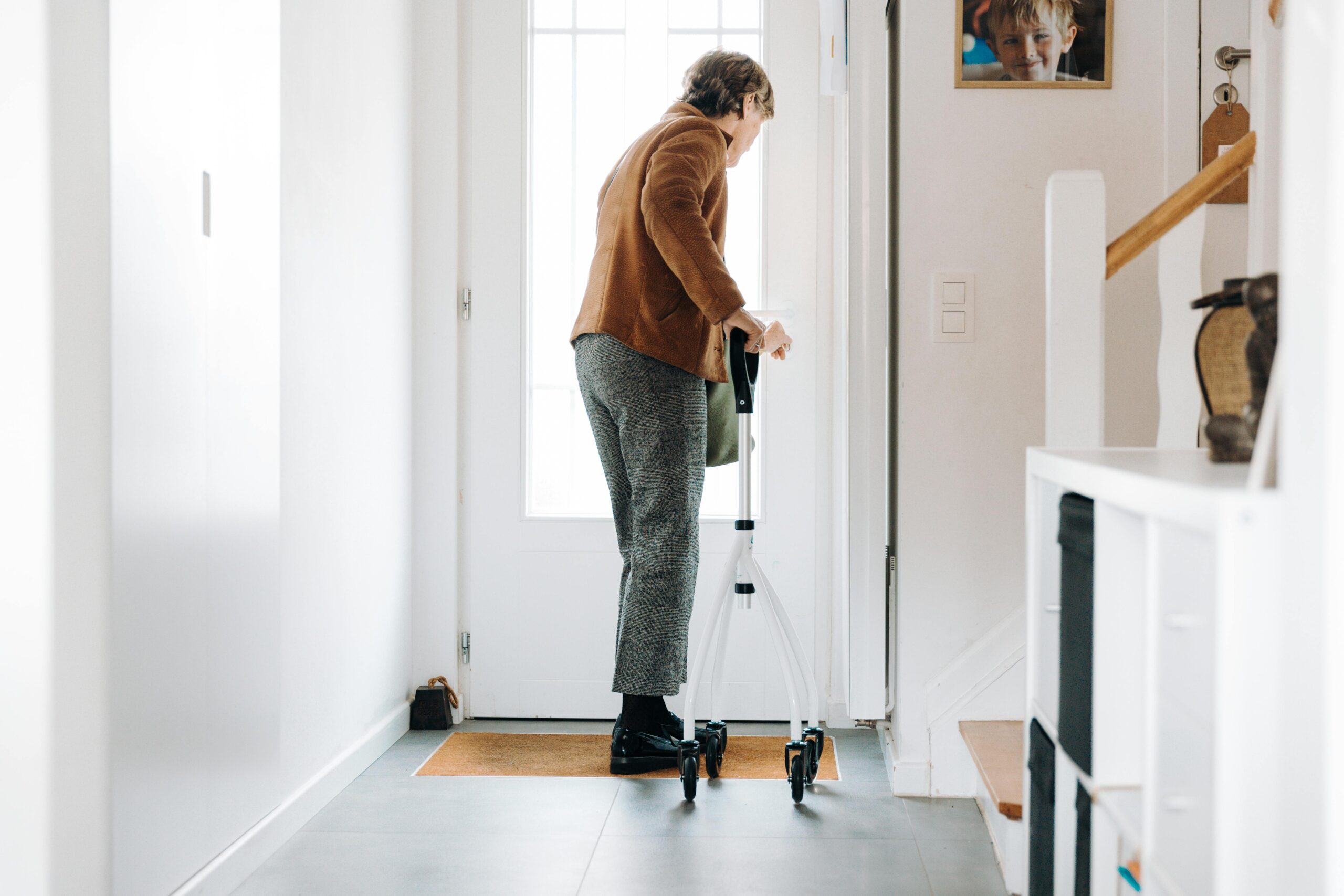
Responsibility changes what you notice. Once someone else’s comfort or safety matters in a more immediate way, your attention gets sharper. Corners feel harder. Clutter feels more inconvenient. Every day choices start to carry a little more weight.
It usually happens gradually. You begin double-checking things you used to ignore. You think more about what is easy to reach, easy to move around, and easy to manage on a busy or tiring day. Even familiar rooms can feel different when you are looking at them through someone else’s experience.
That shift is not about fear. It is about awareness. Once you start paying attention in that way, it tends to stay with you.
The Assumptions We Don’t Question
A lot of what we think of as safe is really just familiar. If something is designed to help, most people take that at face value. Standard features, common products, and everyday habits create a sense of trust before many questions are asked.
That is why guidance like this room-by-room advice for reducing fall risks at home can be worth a look. Even common safety features need context. Some work well in one setting and create problems in another. Others depend on placement, maintenance, or supervision in ways people do not always consider right away.
The risks are not always dramatic or obvious. Sometimes they sit inside ordinary decisions that no one thinks to revisit until there is a reason.
Looking Beyond the Home
This becomes even more apparent outside your own home. Once you begin looking at nursing homes, assisted living facilities, or short-term care settings, you are placing trust in systems you did not create and may not fully understand. That can feel unsettling when you are trying to make careful choices for someone you love.
Looking into those environments often brings up questions most families have never had to ask before. A feature that seems reassuring at first glance can be more complicated in practice. Bed rails are one example. They are often linked to fall prevention, but poor fit, improper installation, or lack of oversight can create real danger. The same can be true of wheelchairs that do not fit properly, call buttons placed just out of reach, or flooring that looks secure but increases the chance of slipping.
At that point, research stops feeling like a formality. It becomes a way to understand how a space actually works from one day to the next. For many families, that is when they begin to learn the dangers of bed rails for nursing home residents, and to see why something that appears protective may deserve a much closer look.
That kind of awareness is not about expecting the worst. It is about asking better questions and making decisions with a clearer picture of what day-to-day safety really looks like.
Paying Attention in Small, Practical Ways
Once you start noticing these things, the answer is rarely a complete overhaul. Most of the time, it comes down to small, practical choices and a willingness to pause before assuming everything is fine.
That might mean keeping walkways clear, checking whether everyday items can be reached comfortably, or paying closer attention to how a room works when someone is tired, unsteady, or recovering. It might mean thinking about nighttime lighting, how quickly help can be reached, or whether a setup works as well in real life as in theory.
The same mindset matters at home. Advice on accessible changes to your home reflects that well. Layout, flooring, support features, and ease of movement all shape how manageable and comfortable a space feels over time.
A little extra attention does not make life harder. In many cases, it makes daily life smoother because small changes often prevent bigger problems from building quietly in the background.
Conclusion
Safety rarely arrives as one big realization. More often, it shows up in the second glance, the extra question, or the moment you realize a familiar setup deserves a closer look.
Once your perspective shifts, you start to see how much comfort and security depend on the details: what is within reach, what gets overlooked, and what people assume is working without ever really checking.
That awareness does not have to feel overwhelming. It can be steady, practical, and part of everyday life. Sometimes it starts with nothing more than paying attention a little sooner than you would have before.
Leave a Reply