Updated on December 4th, 2025
Collaborative Post | Gaming has become much more than a hobby. For millions of people worldwide, it is a lifestyle that blends seamlessly into everyday routines. From esports tournaments to streaming platforms and online communities, gamers have found ways to bring elements of virtual worlds into their personal and social lives. This article explores how gamers integrate these two realities, making digital experiences part of their identity, culture, and even career paths.
Esports and Competitive Integration
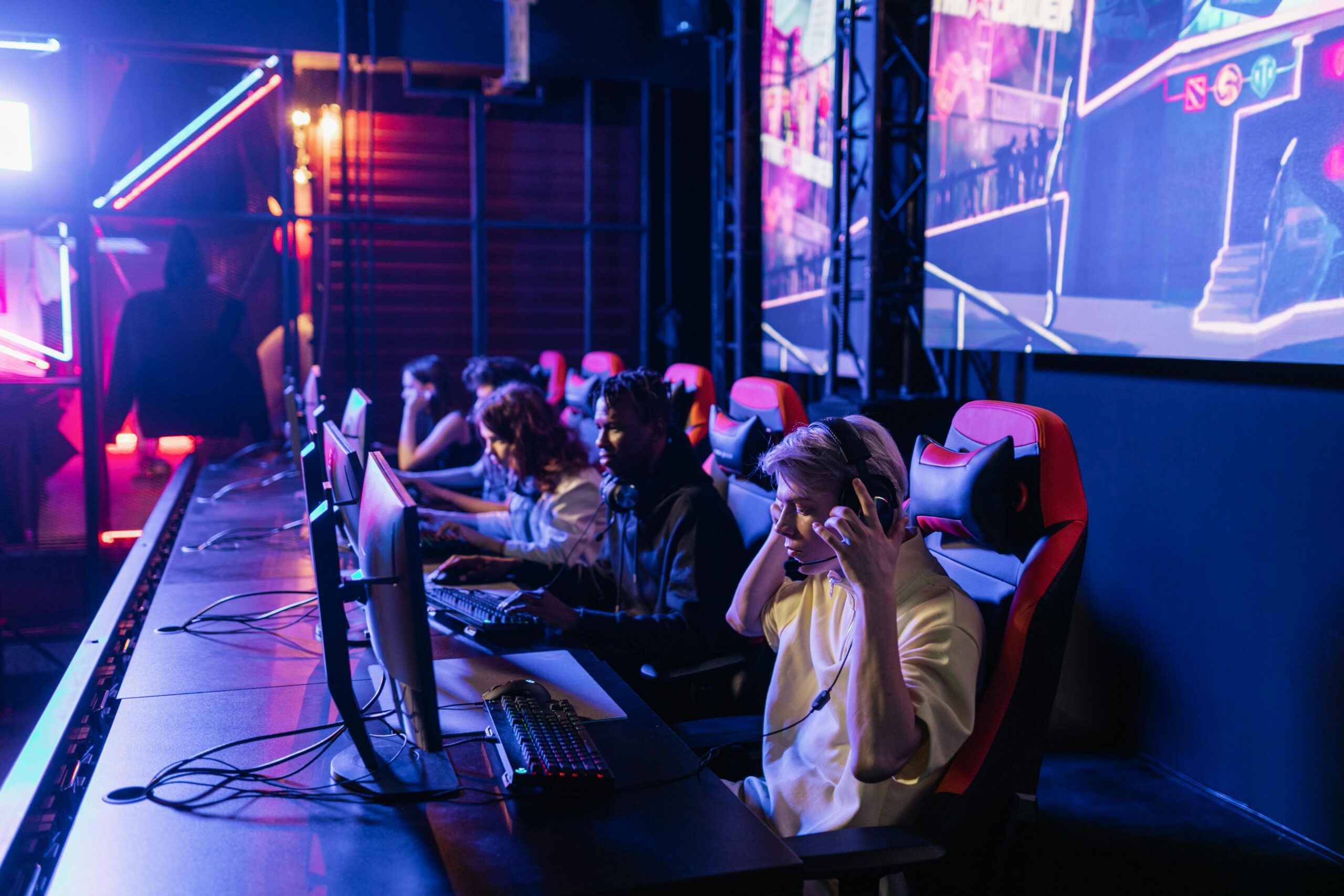
Esports has become a prime example of how gaming transcends screens and enters real-world spaces. Professional tournaments fill arenas with thousands of fans while millions more tune in online, creating a hybrid environment where digital play meets physical celebration. The sense of competition, team spirit, and fandom mirrors that of traditional sports, with fans forming strong attachments to their favorite teams and players. Esports teams now operate like professional sports organizations with coaches, analysts, physical trainers, and nutritionists supporting athletes. Sponsorship deals, global media coverage, and international tournaments highlight just how far esports has integrated into mainstream culture.
Within this context, resources like valorant live stats are crucial for fans and analysts who want to track player performance and outcomes, demonstrating how real-time data from virtual matches influences betting markets, coaching strategies, and lively discussions across social media platforms. As esports grows, it also pushes technological development forward, encouraging investment in better streaming quality, VR spectating, and interactive viewing experiences that further bridge digital and physical realities.
Building Communities and Friendships
For many gamers, the real-world impact comes through the friendships and communities formed online. Gaming platforms offer spaces where people can connect across borders, cultures, and time zones, effectively creating global meeting points for like-minded individuals. Communities thrive on platforms like Discord, Reddit, and Twitch chatrooms, where conversations often extend beyond games to topics like career advice, personal struggles, and hobbies. These connections often move offline, with friends meeting at conventions, esports events, or even arranging travel to see each other in person. Some communities have grown large enough to establish charities, organize real-life meetups, and support members in times of need.
These global connections often extend into shared interests and hobbies, including gaming itself. Games like FIFA illustrate this beautifully, where players not only compete online but bond over shared favorite teams, exchange strategies, and sometimes celebrate their fandom by gifting or collecting football kits. Many gamers check out these kits from Premier League teams, or similar collections, which often become conversation starters and ways to connect over shared interests. These small gestures turn gaming from just a pastime into a shared experience that strengthens friendships and creates a real sense of community.
The collaborative nature of gaming fosters teamwork, communication, and trust that carry into real-life interactions, teaching valuable interpersonal skills and strengthening a sense of belonging in an increasingly digital society. In many cases, these friendships even evolve into business ventures, creative collaborations, or long-term partnerships that prove how powerful digital connections can be.
Streaming Culture and Personal Branding
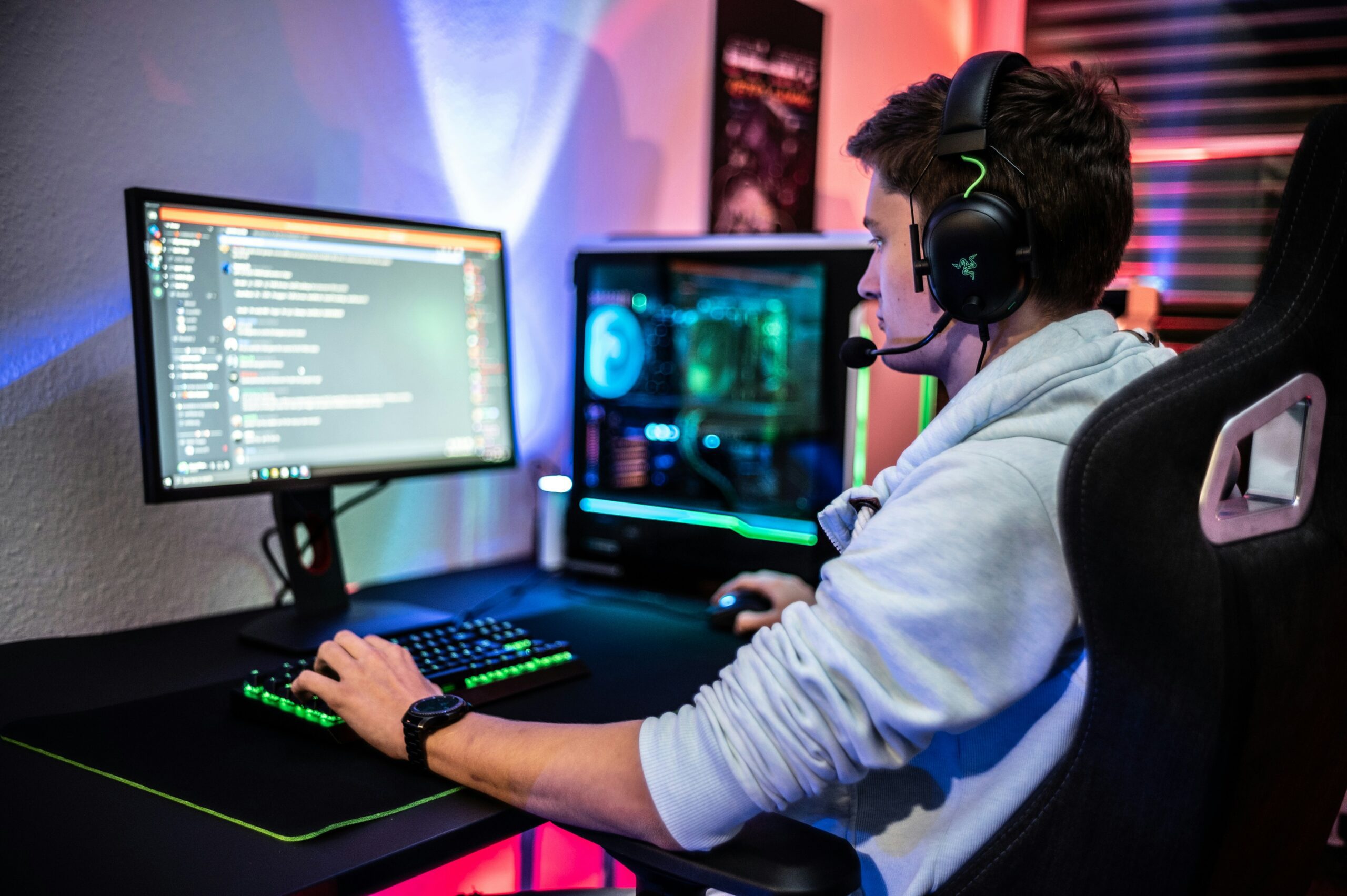
Streaming platforms like Twitch and YouTube Gaming have turned personal gameplay into entertainment for massive audiences, giving rise to a new form of digital celebrity. This has enabled gamers to merge their virtual identity with real-life opportunities, often turning casual players into professional influencers. Streamers not only showcase their skills but also cultivate unique personalities, establish loyal fanbases, and interact with audiences through live chats and social media. Sponsorships, advertisements, and branded merchandise have transformed streaming into a profitable industry, with some top streamers earning salaries comparable to athletes and entertainers.
Many content creators now treat streaming as a full-time career, hiring editors, managers, and marketing teams to expand their reach. The parasocial relationships formed between streamers and viewers add another layer of real-world connection, as fans find comfort, humor, and companionship in watching their favorite creators on a daily basis. Furthermore, streaming has given rise to entire ecosystems of secondary industries such as editing, graphic design, and influencer marketing, all of which tie digital entertainment directly to professional growth in the real world.
Gaming and Lifestyle Influence
The influence of gaming extends into fashion, art, music, and education, shaping trends in multiple industries. Game-inspired clothing lines and sneaker collaborations regularly appear in mainstream fashion, while popular franchises influence everything from graphic design to film. Gaming cafés, themed restaurants, and immersive VR arcades highlight how game culture translates into physical spaces that people visit for entertainment and socialization. Universities and schools now offer esports scholarships, recognizing competitive gaming as a legitimate path for students and encouraging academic institutions to support gamers in balancing studies and competition.
Similarly, skills developed through gaming, such as strategic thinking, problem-solving, leadership, and multitasking, are increasingly recognized as valuable in professional and academic settings. Gaming no longer exists in isolation—it impacts lifestyle choices, career development, and even the economy, with gaming-related industries generating billions in revenue annually. Beyond consumer culture, gaming also inspires activism and awareness campaigns, where communities rally around causes such as environmental sustainability, mental health advocacy, and inclusivity in tech spaces.
Mental Health and Self-Expression
Another significant way gamers connect virtual and real life is through self-expression and mental well-being. Games provide safe spaces for identity exploration, creativity, and coping with stress, allowing players to test roles, experiment with character customization, and experience narratives that resonate with their personal struggles. Virtual avatars and in-game communities often allow players to express themselves in ways that might not be possible offline, giving them a sense of freedom and control. Many players find comfort, belonging, and even therapy through immersive gameplay and supportive gaming groups, which can serve as emotional lifelines during difficult times.
Beyond casual enjoyment, therapists and educators have started to use gaming as a tool for mental health interventions, helping patients manage anxiety, depression, and trauma. This integration highlights how virtual environments can positively influence real-life emotions, confidence, and social skills, further reinforcing the idea that gaming is an essential part of holistic personal development. In some cases, games are even used in medical rehabilitation and skill training, showing that the potential benefits of gaming extend far beyond traditional entertainment.
Conclusion
The boundary between virtual and real life continues to blur as gaming becomes a fundamental part of modern culture. From esports and streaming to lifestyle influence and personal well-being, gamers constantly integrate their digital experiences into everyday life. These connections demonstrate that gaming is more than just entertainment—it is a cultural force that shapes how people interact, learn, and grow both online and offline.
Leave a Reply