Updated on April 22nd, 2026
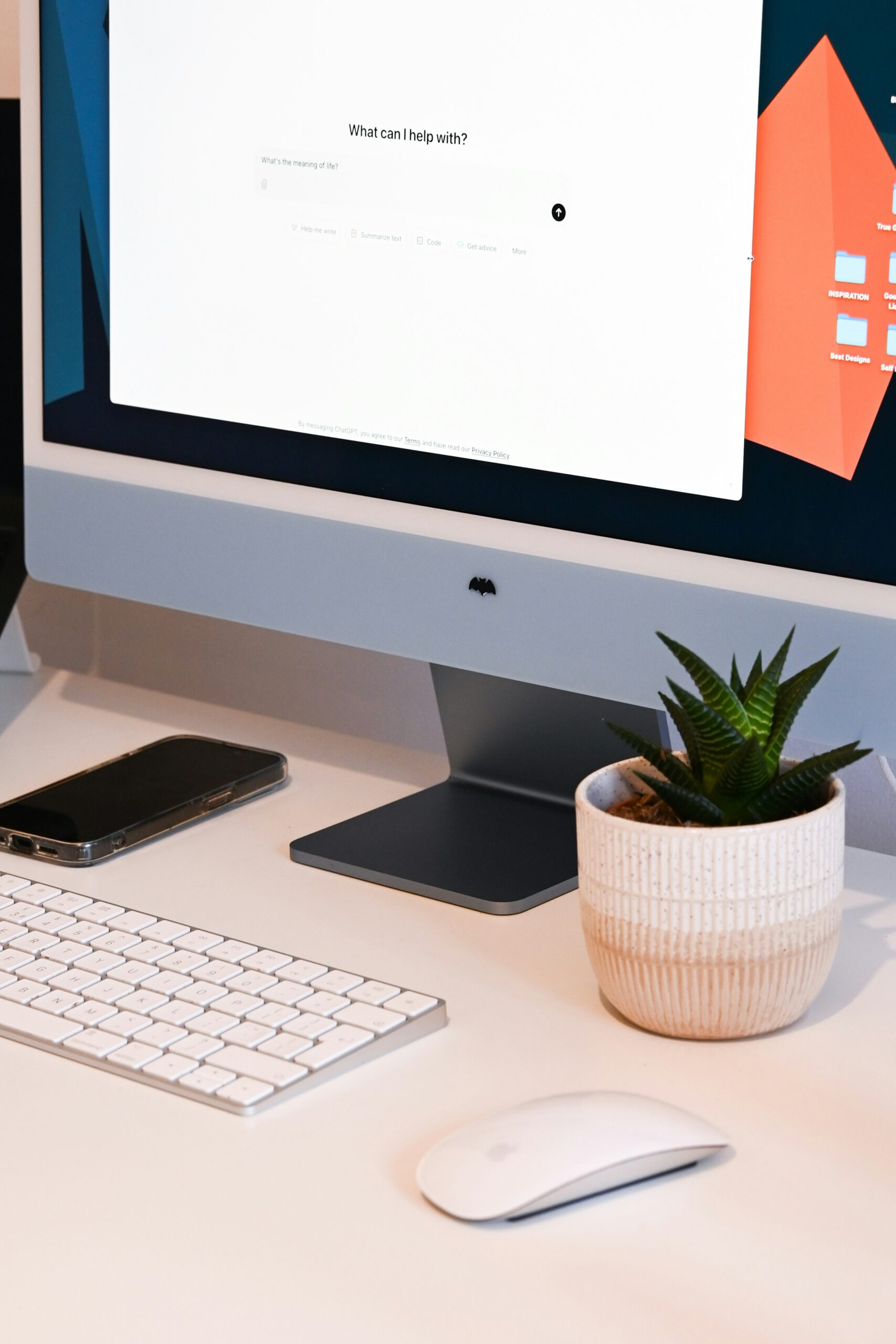
The use of AI is on the rise. Bloggers may use AI to brainstorm topics, outline a post, or help write a meta description. However, there are numerous problems with generative AI. For this post, I want to focus on AI-generated content for blog posts, art, and recipes.
First, I want to begin by explaining what generative AI is and the environmental concerns that come with using generative AI. Afterward, I want to discuss the problems with AI-generated posts, art, and recipes.
What is Generative AI?
AI stands for artificial intelligence, which are computer systems that complete tasks humans would normally do. Generative AI refers to AI models that have been trained to create text, images, videos, and other content based on millions of examples. Popular generative AI tools include ChatGPT, Jasper, Gemini, DALL-E, and Midjourney.
Environmental Concerns of Generative AI
Even though generative AI can be useful, there are environmental concerns that need to be taken into account. AI models are run in data centers, which are temperature-controlled buildings that contain servers, storage drivers, and equipment. Data centers are problematic because they produce hazardous electronic waste, or e-waste, when the electronics break down or are replaced with a newer version. It is predicted that AI will add up to 5 million metric tons of e-waste by 2030, which is a huge problem for the environment if the e-waste is not recycled properly.
Furthermore, the data centers require water to cool the electronic equipment. Electronics heat up while being used. To avoid overheating, most data centers use chilled water circuits to cool the equipment. The average data center uses 300,000 gallons of water a day, which is estimated to be the total water use of 100,000 homes. The water use by data centers is problematic, especially when over 2 billion people lack access to safe drinking water.
Lastly, data centers need a lot of energy to run, which often comes from fossil fuels and can lead to an increase in greenhouse emissions. For example, asking a question on ChatGPT consumes 10 times the electricity than asking the question in a Google search. Furthermore, generative AI can be used to create photos. Creating an AI-generated photo can consume as much energy as charging your phone. The water and energy use of data centers and the production of e-waste should hopefully make you think about the environmental impact of using generative AI.
The Problems with AI-Generated Blog Posts
Potential for Plagiarism
As I mentioned when explaining what generative AI is, the AI models are trained on millions of preexisting works. Therefore, when you use generative AI to write a post, the tool will pull from content already available. The AI tool can reword the content, but it can be quite similar to posts already out there on the internet. Furthermore, Copyleaks found that around 60% of content generated by ChatGPT contained some form of plagiarism. Therefore, if you use a generative AI tool to write blog posts, it could potentially plagiarize other posts and content.
Inaccuracies
You can use generative AI to create a post on pretty much any topic. However, the post can be inaccurate. For example, you can generate a post on popular beauty trends or places to visit in a city. However, the trends included may be from a few years ago, and the places to visit could now be permanently closed. Along those lines, the AI-generated post can include factually incorrect information. The Massive Multitask Language Understanding (MMLU) Pro data states that ChatGPT-5 is 87% accurate, while Gemini 3 Pro is 90%, which leaves 10-13% of generated content inaccurate. Lastly, generative AI can hallucinate in that it makes up information that never happened. ChatGPT-5 has a hallucination rate of 9.6%. Therefore, the generative AI tool is somewhat likely to generate information that is false and misleading.
Not Personal
When generative AI is used to create posts, the information is presented in a factual way, just as if a robot were writing. The posts do not include any personal stories or experiences and do not show any passion. I share posts I am passionate about and interested in on my blog, from cozy gaming posts and book reviews to Danish recipes. If I used generative AI to write reviews, for example, it would not include my personal experience or recommendations.
The Problems with AI-Generated Art
Steals from Artists
AI models are trained on art already available, including copyrighted works. These artists did not give their consent to have their art used for training the AI model. You can generate images in a specific artist’s style, such as with the recent trend of creating images in a Studio Ghibli style. In 2016, Hayao Miyazaki, co-founder of Studio Ghibli, stated that AI-generated animation is “an insult to life itself” and his view has resurfaced with the popularity of the AI art trend. Since generative AI can create art based on the work of other artists, AI is essentially stealing their work.
Devalues the Work of Real Artists
Artists can spend days, weeks, or even months finishing one piece of art. On the other hand, anyone can go to an AI image generator, enter a prompt, and an image is created in less than a minute. Furthermore, businesses can use AI to create a logo, ad campaign, or even a commercial. Companies that use AI-generated content take away the work that would normally be given to real artists. Also, AI-generated advertising campaigns are not always of good quality or received well. Lastly, authors can use AI-generated images instead of hiring an actual illustrator, which is especially a problem with kids’ books sold on Amazon.
Monetizing AI-Generated Art
Monetizing AI-generated art ties into my previous points, and authors can sell a book that contains AI art, and companies can sell AI games with generated art. Furthermore, individuals can sell prints of AI-generated art, or they can sell merchandise such as stickers, shirts, and mugs with AI art. Monetizing AI art is problematic because, as I mentioned above, AI models are often trained using other artists’ works without their permission. Their work is stolen and then monetized by someone else who simply typed a prompt into a generative AI tool.
The Problems with AI-Generated Recipes
Potentially Unsafe Foods
When you are browsing online, you may come across an AI-generated recipe and want to try it out for yourself. However, the directions for the AI recipe can lead you to undercooking the meat. Those who regularly cook are likely to the realize the mistake in the directions, but those new to the kitchen or have limited experience may not know that the meat needs to be cooked longer. If they consume the dish with undercooked meat, it can lead to food poisoning. Furthermore, an AI supermarket app was created to help individuals use leftover ingredients. However, people were able to input any items they had. This led to the AI generating recipes for “Poison Bread Sandwich” with ant poison and an “Aromatic Water Mix” with bleach and ammonia. These examples serve as a warning that AI-generated recipes can potentially create unsafe foods.
Sets Unrealistic Expectations
AI-generated recipes are often accompanied by an AI-generated photo. The recipe can look good in the photo, but it can show ingredients not in the ingredient list. Also, when you go to make the recipe, it can look nothing like the photo. Additionally, the AI-generated recipes are usually not taste-tested by the person who generated them. The AI recipes can include weird ingredient pairings that a normal person would not combine. AI-generated recipes set unrealistic expectations by showing AI-generated photos that do not reflect the actual recipe, and the AI recipe itself can taste bad if you decide to make it.
Monetizing Stolen Recipes
AI models are trained with information already available. If you have published a recipe on your blog, your recipe, along with thousands of others, could potentially be used by AI. A person then goes to ChatGPT or another recipe generator and types the recipes they want. They then copy and paste the AI-generated recipes into a cookbook and sell it on Amazon. Even if the recipes are not used in a cookbook, people can generate a recipe and post it on their Facebook page or even their blog or website and monetize it through ads or affiliate links.
What Can You Do About AI-Generated Content?
It can seem like a losing battle against AI-generated content. Everywhere you look, there can be AI content from AI art on social media and Etsy to AI-generated recipes on Facebook and websites. However, there are actions you can take if you are concerned about the rise of AI-generated content. Here is what you can do:
- Avoid using AI tools to generate content and images
- Support real humans, including bloggers, artists, and chefs
- Do not support businesses that use AI-generated content for merchandise and marketing purposes
I agree with all your points, AI is not only taking away human jobs but taking away individuality, creativeness, and critical thinking skills from the users….
Even the first response in a google search these days is AI! Something that not all users will immediately be aware of and potentially use incorrect information.
When I was researching for this post, I did come across reddit posts from users sharing incorrect AI summaries on Google. One of them was for the safe cooking temperature of chicken. The AI summary said the USDA recommends a minimum temperature of 102° F! However, the USDA actually states 165° F as the minimum temperature. If someone did follow what the AI summary stated, it would be bad!!
AI is almost unavoidable these days, it is everywhere. I avoid it and never would generate content with it. Thanks for mentioning that it is theft. As a musician I’ve seen content stolen by AI, rewritten and copyrighted by the thief. That’s not right.
I agree it is hard to avoid AI when there is so much AI-generated content everywhere.
It is terrible that someone can copyright AI-generated music! It is 100% theft and should be treated as such.
Ais are good help. But sometimes they can be nuisances too. But learning about Ai and how it works is interesting.
AI can be helpful, but it is problematic when someone sells AI art or books completely written by AI.
I wrote about this topic on my site a while back too and believe that while AI can have some benefits for bloggers (and other content creators), it definitely has some issues. I use ChatGPT to write 155-charcater meta descriptions which I then edit/change, and to sometimes brainstorm ideas, I don’t believe it should be used to write whole posts (for the same reasons you outline here). AI can be a great tool, but its impacts can be quite negative, especially for the environment and artists/artwork.
AI can be useful, and I have used AI to help write meta descriptions too. However, it is problematic when AI is used to copy artists or sell books written by AI. Plus the environmental impact is important to consider!
Do not know how I feel about it. Like to start my sentences all with I lol so it helps me reword my sentences to say I less but it can take away from the orginality of posts. Really not sure try to avoid its usage.
AI can be useful such in your case with helping you reword sentences. However, it can take away your personality and originality. Plus the environmental impact of using AI is not great.
AI-generated content creates inaccuracies, which is something I don’t like about it. An interesting and insightful post!
Lucy | http://www.lucymary.co.uk
I agree! I would never use generative AI to help write blog posts because there’s a good change it’ll be inaccurate plus it wouldn’t be personal!
I’d never even considered the environmental impact of AI! Wow! That’s huge! Thank you for sharing and highlighting.
There’s still so much to learn about it all, these are really useful tips. 🙌
When someone uses ChatGPT or another AI tool, they don’t really think about the environmental impact because it’s so easy to just enter a prompt and be given a response without a second though. However, it is important to be aware of the energy and water usage of the date centers.
I agree there is a lot to learn about generative AI because it is a relatively new technology
Yeah I’m not a fan of ai in general . Especially AI music people pass off as thiers
You do bring up a good point about AI music! The AI models are trained on music already out there so any music created by AI wouldn’t be original and shouldn’t be passed off as their own
It trally hurts since I know a number of friends and family that create music . Metal , rap , electronica ect , but they put their hearts into it and it seems like ai just sort of cheapens it .
I can imagine it’s heartbreaking and also frustrating that someone can put a lot of time and energy into creating music and then someone else comes along and uses AI to create a whole album in minutes