Collaborative Post | Estate planning is still important in the United States. As of 2025, only 31% of American adults have a will, even though 83% of them understand the importance of estate planning. Furthermore, 55% of adults have no estate documents whatsoever. This means that many families can end up dealing with probate complications if someone they love passes away without a legally valid will.
That said, a will with clear instructions and decent intentions can still lose in probate court if it does not satisfy the technical requirements at the time it is signed. The piece of paper itself is usually not the issue. It is the execution part that matters.
Being clear about legal requirements and recognizing common pitfalls in wills can distinguish a document that preserves a person’s intentions from one that may cause disputes once they have passed away.
When trying to determine what works for you, a knowledgeable attorney can review the details of your estate and help you decide on the proper will to fit your needs and interests according to the overview at https://www.meinzerlawoffice.com/.
A will is one of the most important legal documents a person can create. However, you can not just write down your wishes. The will must have provisions that are legally enforceable. To ensure a will is effective, it must meet the legal requirements of the state where it is executed.
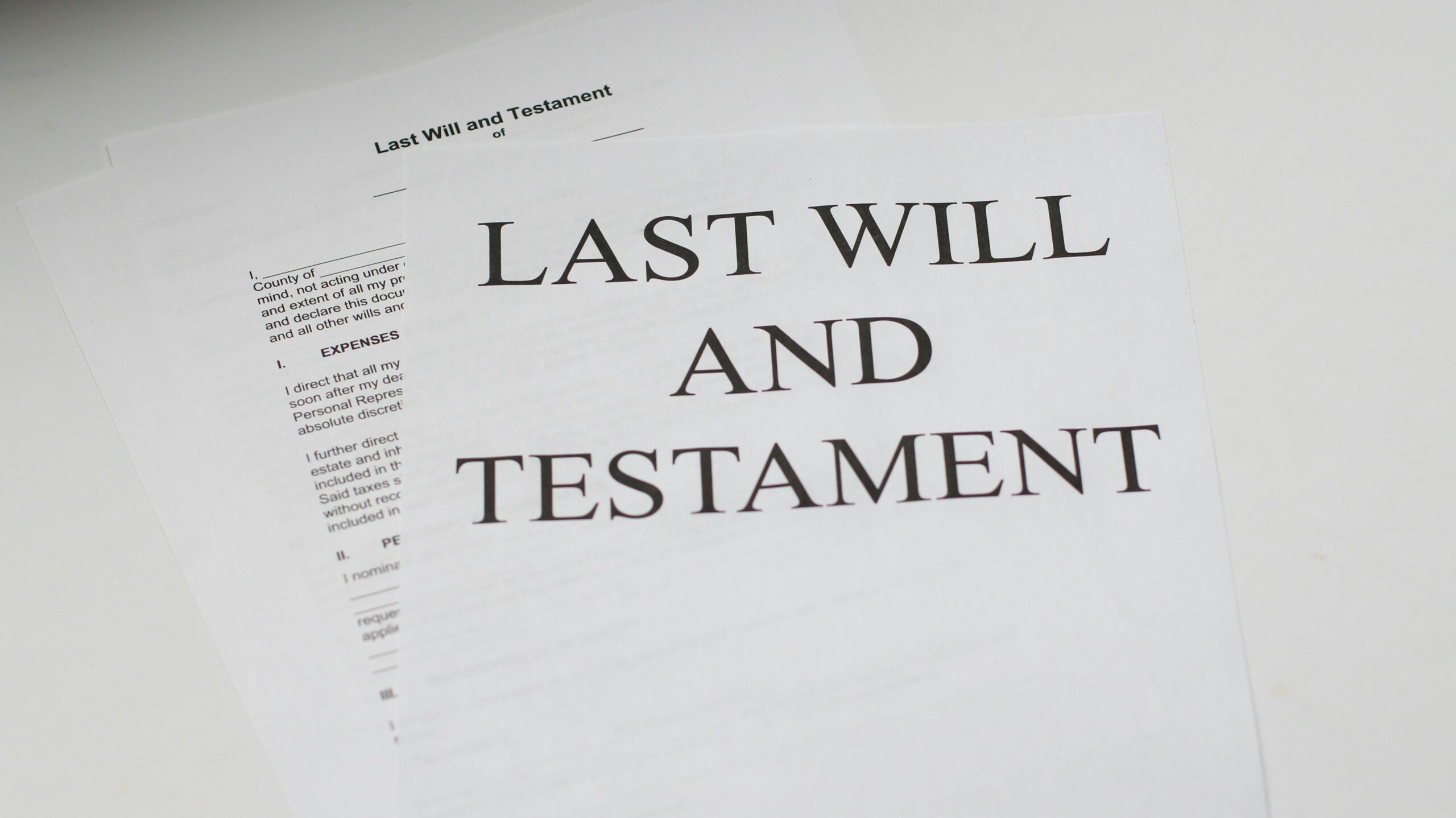
The Four Elements Every Valid Will Must Have
No matter the state you live in, a legally valid will leans on the same four pillars
The first requirement is the testamentary capacity of the testator. In the context of a will, the testator has to be an adult of sound mind at the moment of signing the document. Therefore, they know what property they own. who their heirs are, and understand that a will is the document defining the distribution of their estate after death.
Testamentary capacity is defined at the moment of signing. In this case, a person with dementia can still make a valid will if they have moments of lucidity.
Furthermore, the will has to be in writing. Most states do not accept an oral will, but it has been allowed in exceptional cases, while a handwritten, holographic will is recognized in about half of the U.S. states. Due to the absence of witnesses, holographic wills are more prone to disputes over the authenticity and capacity of the testator.
Another requirement is the validity of the signature on the will. The testator has to sign the document according to the local laws. Otherwise, despite completing a will, the will cannot be enforced.
Finally, most states require the presence of two witnesses to the signing act and the voluntary signing of the will by the testator. It is also preferred that the witnesses are disinterested adults.
Will your will be accepted in Connecticut? For instance, if you have a will that is well drafted, properly signed, and witnessed by at least two competent witnesses when you were still mentally capable of doing so, then your will will most likely be admitted into probate in Connecticut. However, if there is no fulfillment of any of these legal requirements, then the probate court will most likely not accept your will.
What Notarization Does, and Does Not Do
One of the most persistent misconceptions in estate planning is that notarization is either required or sufficient by itself to make a will valid. Louisiana is the only state that requires notarization. What notarization does, paired with witness signatures in a self-proving affidavit, is streamline probate, and that is really the point.
A self-proving affidavit is a notarized statement signed by the witnesses in front of a notary. The affidavit then gets attached to the will. If it is properly executed, the court can admit the will to probate without requiring the witnesses to come back and testify in person.
Notarization helps the most in a contested estate, or when a witness has since passed on, moved away, or cannot be easily located.
How Wills Are Most Often Challenged
Understanding what can invalidate a will after death clarifies why the execution formalities matter so much at signing.
The most common grounds for a will contest are a lack of testamentary capacity. Undue influence is a third party exercising enough control that the will reflects their wishes rather than the testator’s own. Other grounds for challenging a will include fraud, such as misrepresenting a material fact or a beneficiary’s identity, and improper execution of the will.
Furthermore, a will challenged on improper execution has no defense rooted in the testator’s actual intentions. The procedural failure is the issue, and good intentions do not cure it. The treatment of an improperly executed will differs according to state law.
Whether an out-of-state will is accepted often comes down to the state where the document was signed and also the testator’s state of residence at that particular moment.
A properly executed will from a different state can still be valid in the new state, despite not adhering to local formalities, but it is riskier to depend on that than to amend the will after moving.
When to Review and Update a Will
A will that at first was seen as valid when it was signed can later feel outdated or start to create complications after the fact.
Marriage, divorce, childbirth, adoption, the death of someone named, like a beneficiary or the executor, changes to major assets, and moving to a different state where the rules are not the same are some of the most frequent triggers for setting off a review.
In a way, a will is like a frozen view of intentions at one point in time, and it follows the rules in the state where it was made, plus the legal setting where probate eventually takes place.
If you wants to keep a will relevant, check that it still lines up with the rules in the state where the testator is now living. Addtionally, the original signed will should be kept in a sensible location that the executor is aware of. Those are the real-world steps that show whether the document is still doing what it is designed to do.
Leave a Reply