Collaborative Post | Most Americans spend money on beauty each month. Some costs are clear and easy to see, while others hide in recurring charges, refills, and subscriptions. Beauty spending includes both products people use at home and services they buy from professionals. Furthermore, beauty spending covers skincare, makeup, hair, and treatments that improve or protect appearance.
What People Mean by “Monthly Beauty Spending”
Monthly beauty spending is the money people regularly spendon products and services that affect how they look. Beauty spending does not include basic hygiene items, and it focuses on items and services that people buy to enhance or protect their appearance.
Beauty spending includes personal care, but it is more than simply buying shampoo or soap. It includes products and treatments that people replace or repeat regularly.
Consumer spending reports show that American women spend around $3,756 per year on beauty products and services. That is equivalent to $313 per month. U.S. men also spend on beauty, with an average annual spending of $2,928, or $244 per month.
These annual totals combine products and services and show that beauty is a recurring expense, not a one-off.
The Core Beauty Expenses That Repeat Every Month
Monthly beauty budgets include several core categories, which have a predictable set of costs consumers pay again and again.
Skincare Products and Routine Refills
Americans spend considerable amounts on skincare because they consider it important for both appearance and health. On average, an adult spends about $492 per year on such products, and around $41 per month. Women often buy and spend more on skincare products than men.
Statistical data also confirm this. In 2025, the United States cosmetics and personal care market exceeded $109.5 billion, and skincare products remain the largest segment.
The most frequently purchased skincare products are:
- facial cleansers
- morning and evening moisturizers
- sunscreens
- hydrating serums
Even a basic skincare routine typically includes 3–5 products, and each needs to be purchased again regularly. The cost of skincare can double or even triple if a person uses additional products such as serums, scrubs, or treatment formulas.
Makeup Products That Run Out and Get Replaced
For some people, buying cosmetics is not included in their list of monthly expenses, but it should be. When cosmetic products run out or reach their expiration date, they need to be replaced. Over the course of a year, these purchases can add up to a significant amount.
Typical cosmetic purchases include:
- foundations
- tinted moisturizers
- makeup bases
- concealers and color correctors
- mascaras
- lipsticks and lip glosses
The lifespan of cosmetic products also varies. Mascara should be replaced after 3-6 months once it is opened. A lipstick can last longer and up to 12-18 months. However, if a cosmetic is regularly used, it will have to be replaced sooner, which can lead to purchasing the product several times throughout the year. Moreover, personal choices, brand preferences, and new releases in the beauty industry set the tone and influence how much people spend on cosmetics each month.

Hair Services and Ongoing Maintenance
Taking care of the hair is not just about using shampoo and conditioner. Many people regularly go to salons for haircuts, coloring, and styling, which costs money. On average, Americans spend $277 a year just on haircuts.
Prices for salon services also depend on where the individual lives and which salon they go to. At a hair salon, a haircut can cost $25 to $100, but trendy salons and salons in big cities may charge even more. Furthermore, if someone gets a haircut every couple of months, it becomes a regular part of their spending.
Now add hair care products to the mix. Regular supermarket brands do not cost a lot, but professional shampoos, masks, or oils, like those used in salons, can cost even more. Ultimately, hair care is not a one-time purchase, but an ongoing expense that should be planned for in advance.
Skincare Treatments and Professional Care
Beauty budgets can sometimes include professional skincare treatments. These services do not occur every month for each person, but when they do, they push monthly spending higher.
Common services and typical prices in the U.S. include:
- Facial spa treatments are priced around $75 to $300 per session.
- Minor and localized laser skin treatments are priced between $100 and $400 per session.
- Injectable treatments like Botox or fillers are often $300 to $1,000 per session.
Medspas offering these services have grown in number across the U.S. These clinics provide advanced skin care beyond basic facials. They operate in thousands of locations and contribute to rising revenue in the beauty services industry.
These skincare treatments may be spaced out over months, but they still count toward annual beauty spending totals. For people who want to keep these appointments consistently, getting funds for professional beauty care becomes a practical consideration, especially when costs pile up during the same billing cycle.
How Different Beauty Routines Shape the Total Cost
Monthly beauty budgets look different depending on how extensive a person’s routine is. Below are two broad patterns that explain common spending profiles.
Regular Maintenance Routines
What this routine usually includes:
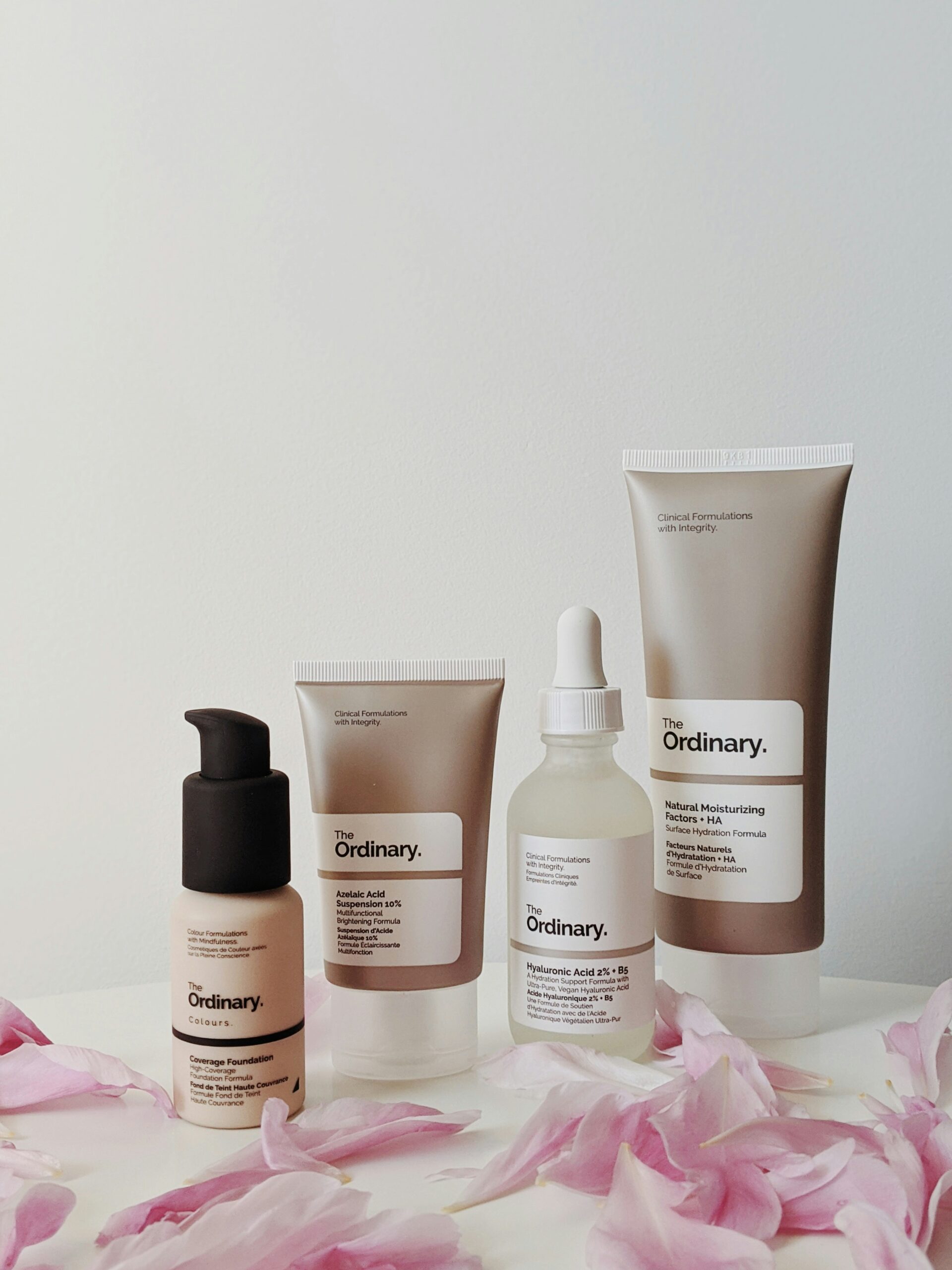
- Mid-range skincare products are chosen for one’s skin type. Most often, it is basic items plus a couple of more effective products, like a serum or mask.
- Products are replaced as they run out throughout the year.
- A haircut every couple of months with no expensive or complex treatments.
- Spa or skincare appointments, when needed and not on a fixed schedule. Sometimes, once a season or more often if there is a reason.
With this kind of routine, expenses can come to $200–400 per month, depending on habits and the time of year. The routine helps keep beauty care under control.
High-Cost Beauty Routines
Expensive beauty care is not just about pretty jars on the shelf. It is a whole approach to self-care that includes both high-quality products to use at home and regular visits to professionals. People who choose this kind of routine are usually ready to spend serious amounts — and they do it consciously.
What this beauty routine usually includes:
- Clinic or med-spa treatments, like facials, peels, and injections. These treatments are often done once a month.
- Skincare products with active ingredients that work effectively but cost more than basic products.
- Luxury decorative cosmetics, including new launches, limited collections, and anything people want to try first.
- Consistent hair care, coloring, styling, haircuts, and salon treatments.
With this routine, $600 per month is a realistic level of spending. Furthermore, if several treatments happen in the same month or the whole skincare routine is updated, expenses can easily reach higher.
Why Monthly Beauty Costs Change Over the Year
Beauty expenses are rarely stable. One month — expenses are calm, the next — the total is noticeably higher. That is normal, and there are several reasons why this happens.
- Season: During different times of the year, the skin and hair need different care. In winter — more creams and hydration, in summer — sunscreen and lighter products. Therefore, shopping lists change with the season.
- Everything runs out at once: Sometimes, a favorite shampoo, foundation, and serum all run out at the same time. Restocking the products causes a sudden jump in spending.
- Salon treatments: Not everyone sticks to a fixed schedule. Some people go every month, while most others go once every two or three months. During one month, an individual might not spend a single cent on outside care, but the next month, they get a haircut, manicure, and a facial.
All of these reasons can cause beauty expenses to “jump” from month to month. However, once one knows why beauty expenses fluctuate, it becomes easier to track, plan, and if needed, adjust a routine without stress or guilt.
Why Beauty Has Become More Expensive
People regularly spend money on beauty products, but those expenses often keep growing year by year. Why is that happening?
First, companies that produce cosmetics invest heavily in research and the development of new products. They make the formulas safer, more effective, and of higher overall quality. However, this quality comes at a price: these products now cost more.
Second, more and more people are making conscious choices. They care about whether the product is eco-friendly, not tested on animals, safe for the skin, and harmless to the environment. These kinds of products are usually more expensive. Since demand for these products keeps growing, it affects the overall market prices.
Convenience also affects prices, as online shopping and fast delivery often come at a higher cost than shopping in stores.
Lastly, although there are many beauty brands and the market is competitive, over the past 10 years, people have clearly been spending more on cosmetics due to inflation. People also expect more from products; they want quality, clean ingredients, and an overall transparent and convenient experience.
When Beauty Spending Starts to Create Stress
It is not uncommon for the next beauty purchase to become a source of stress. Some people may choose to buy a new lipstick from Fenty Beauty or a powder from Charlotte Tilbury and put off paying a bill for a bit longer.
Today in the United States, 1 in 6 people spend more on beauty and health than they can afford. As a result, there is a struggle with a growing credit card balance and missed savings contributions. Beauty expenses do not seem risky by themselves, but when they repeat every month, they can lead to financial problems.
Using credit cards for purchases worsens the problem. Many people who pay by card for salon services and online shopping do not realize that a $250 procedure can cost even more with interest. The procedure itself stays the same, but the financial cost grows.
Furthermore, social media increases the pressure. Influencers and content creators show off frequent procedures, flawless skin, and luxury products as a standard routine. However, these posts usually do not show the costs or financial realities of these creators. Meanwhile, viewers compare themselves to these polished images and feel behind if their own routines are simpler or less consistent.
Stress intensifies when beauty expenses remain high and giving them up feels impossible. People continue to follow a routine that does not match their financial situation because they are afraid to take a step back — socially, professionally, or personally. This emotional attachment prevents them from objectively evaluating their expenses.
What Monthly Beauty Spending Says About Modern Life
If you take an honest look at beauty expenses, the monthly total can look something like this:
- Skincare (refills and regular purchases): $90–150
- Makeup updates (averaged monthly): $60–120
- Hair care, including products, haircuts, coloring (monthly average): $80–200
- Professional skin treatments: $50–150
- Subscriptions and auto-deliveries (like regular shipments of favorite products): $20–50
Altogether, that adds up to about $300 to $600 per month. If a big restock and a salon appointment happen in the same month, the total can be even higher.
However, the point is not to say, “Wow, that is too much.” The important thing is to understand where these costs are coming from. Often, it can feel like you are spending just a little here and there, but in the end, beauty spending adds up. When you put all the expenses together and look at the full monthly total, it becomes clear: this is a real part of your budget.
Once you see it that way, you can manage it, adjust something, cut back if needed, or simply keep things as they are. The key is not to let these costs quietly pile up and exceed what you meant to spend.
Some of these numbers are staggering to me, because my own personal beauty routine is quite simple! I never really thought about the type of cost it would be to maintain something else.
Yes, it surprised me too how much some people can spend on a beauty routine