Collaborative Post | Some objects do not just sit in our lives. They linger, wait, and quietly gather meaning. Gemstones are like that, especially loose ones. Before they are set, gifted, or passed down, they exist in a strange in-between space, carrying history without insisting on how it should be used. In lifestyle conversations, gemstones often show up as accessories or status symbols, but that misses the point.
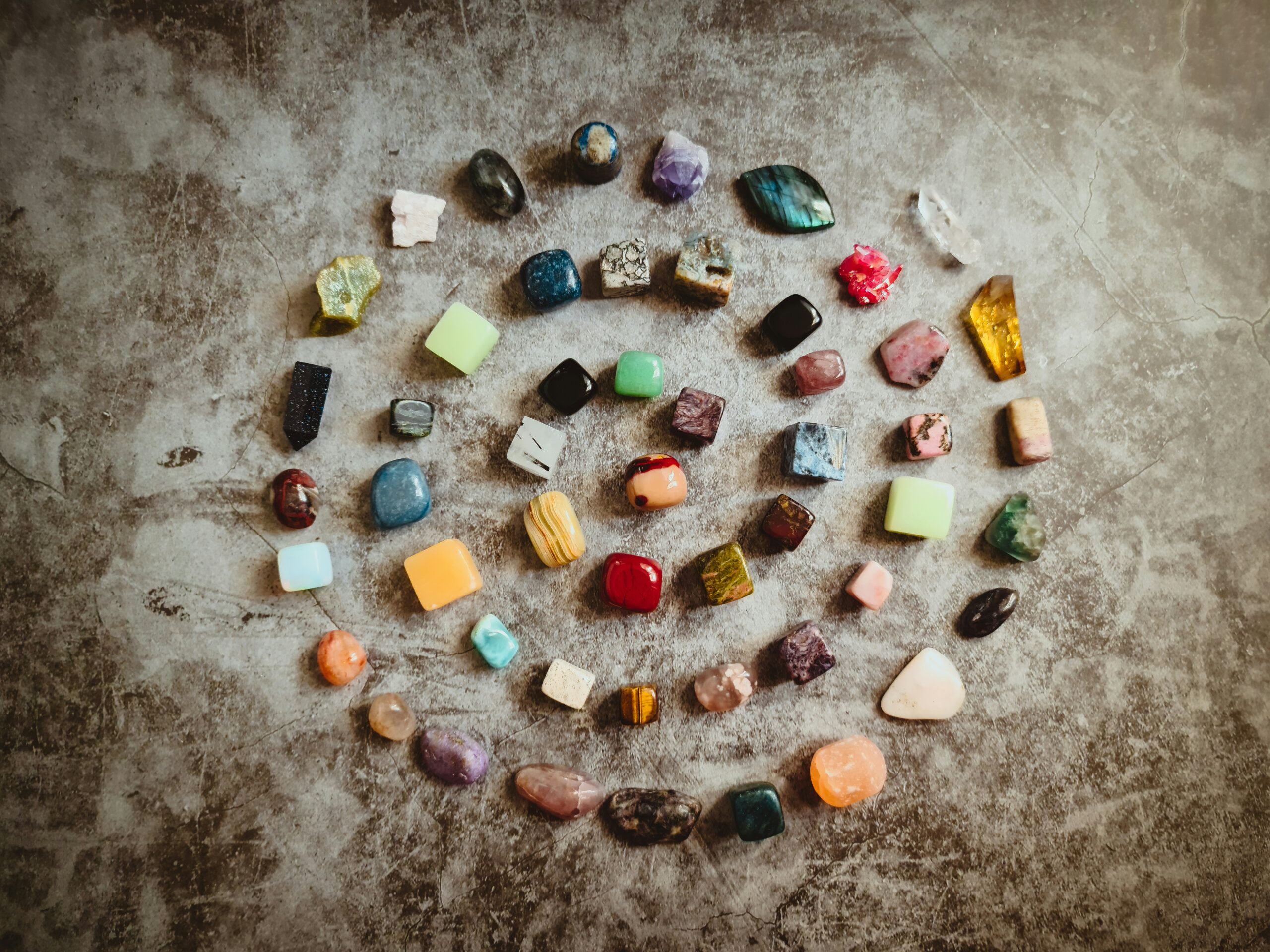
Many stones are compelling because of where they come from, what they survived, and how people relate to them over time. Their stories mirror how we think about inheritance, patience, identity, and personal taste. When you look closely, these are not just minerals pulled from the ground. They are reminders that beauty often has a backstory worth slowing down for.
1. Alexandrite
Alexandrite is best known for its color change, but its story adds depth to that visual drama. Significant deposits were first uncovered in Russia’s Ural Mountains in the 1830s. The stones were known for their striking clarity and a sharp shift from green in daylight to red under candlelight.
The gem was named after Alexander II, who was then heir to the Russian throne. Its red and green hues echoed the colors of imperial Russia’s military, helping it gain symbolic importance almost immediately. Those original Ural Mountain deposits were short-lived, and they remain the benchmark for quality even now.
Most alexandrite today comes from Sri Lanka, East Africa, and Brazil. Today, fine stones do exist, though many show softer color transitions and less vivid hues. In lifestyle terms, alexandrite continues to resonate with people who embrace layered identities and shifting roles. It rewards attention rather than spectacle, which is why many are drawn to it in loose form, valued for meaning as much as appearance.
2. Kashmir Sapphire
Kashmir sapphires come from a single Himalayan region mined briefly in the late nineteenth century. That short period produced stones with an unmistakable velvety blue, a quality that has never been replicated since the mines fell silent. There is no new supply and no modern equivalent, which means every authentic Kashmir sapphire represents a closed chapter of natural history.
Their rarity was underscored recently when the Regent Kashmir, a 35.09-carat sapphire, made headlines at auction. It sold for about $9.5 million, setting a record price per carat. The sale was not just about value. It reinforced how scarcity, provenance, and time elevate these stones beyond their physical beauty.
In essence, Kashmir sapphires quietly challenge the idea that everything can be replaced or restocked. People drawn to them often see themselves as caretakers rather than owners. Even when kept loose, these stones feel intentional. The appeal lies in preservation, patience, and respect for something that will not exist again.
3. Moonstone
Moonstone has always existed closer to myth than measurement, and its history supports that instinctive pull. Ancient Romans believed the stone was formed from solidified moonlight, linking it to mystery, intuition, and celestial cycles.
From a scientific perspective, moonstone belongs to the feldspar family. Its appeal comes from adularescence, a gentle, floating glow created when light scatters between microscopic internal layers. This quality made moonstone especially popular during the Art Nouveau period, when designers such as René Lalique favored emotion and atmosphere over sharp brilliance.
Rather than demanding attention, moonstone encourages stillness, and that sense deepens when it is kept loose and simply displayed. It attracts people who value reflection, natural cycles, and subtle beauty over precision or sparkle.
According to Leibish, loose gemstones often feel more personal because they are appreciated before being shaped into something final, which mirrors moonstone’s quiet nature. It allows meaning to unfold slowly. That sense of patience, more than perfection, explains why moonstone continues to resonate across generations.
4. Paraíba Tourmaline
Paraíba tourmaline emerged in the late 1980s from Brazil and immediately unsettled the gemstone world. Its intense blue-green glow looked almost artificial, unlike anything gemologists had seen before. That electric color comes from trace amounts of copper and manganese. The combination was so unusual that experts initially questioned whether the stones were even natural.
That early doubt became part of the gemstone’s story. The original Brazilian deposits were small and are now largely depleted, which only deepened their rarity and allure. Today, most Paraíba tourmalines come from Mozambique and Nigeria, while early Brazilian stones remain the most prized.
The stone naturally appeals to people drawn to originality rather than convention. Its color feels expressive without being overwhelming, bold without tipping into excess. In loose form, Paraíba tourmaline feels especially alive, as if it is still in motion rather than locked into a final identity.
Its journey mirrors experiences familiar to anyone who has had their credibility questioned before being fully recognized. This is not a gemstone built on quiet tradition. It carries confidence, presence, and a refusal to blend into the background.
5. Spinel
For centuries, spinel lived in the shadow of other gems, quietly shaping royal history without recognition. According to the Gemological Institute of America, spinel may be history’s most underappreciated gemstone.
Ancient mines in Central and Southeast Asia supplied spinel to royal courts from Rome to China. Yet the stones were routinely mistaken for rubies or sapphires. Large, vivid red spinels became known as Balas rubies and passed between kings as war spoils, gifts, and symbols of power.
One of the most famous examples is the Black Prince’s ruby, now known to be a spinel set in England’s Imperial State Crown. It survived centuries of conflict, fires, and war, outlasting every monarch who wore it.
Only later did science correct its identity. In a lifestyle context, spinel represents quiet excellence and delayed recognition. Choosing it today reflects an appreciation for substance over labels. Loose spinels feel like reclaimed stories, finally valued for what they truly are.
FAQs
Why are gemstones important?
Gemstones matter because they sit at the intersection of nature, culture, and personal meaning. Beyond beauty, they reflect history, craftsmanship, belief systems, and how people mark milestones. Their value often comes as much from story and symbolism as from rarity or appearance.
Can you buy loose gemstones?
Yes, loose gemstones are widely available through jewelers, gem dealers, and certified online retailers. Many people choose them to have greater control over quality, cut, and future design. Moreover, some simply appreciate the stone before committing it to a setting.
Are loose gems a good investment?
Loose gemstones can be a good investment when rarity, quality, and provenance align. Stones like Kashmir sapphires or fine alexandrites hold value due to limited supply. That said, prices vary widely, and long-term value depends on market knowledge and certification.
Why These Stories Still Matter in Everyday Life
What ties these gemstones together is not rarity alone, but meaning layered over time. In a lifestyle built around fast consumption, these stones encourage a different pace. They invite reflection, and a loose gemstone does not insist on immediacy. It can sit in a drawer, on a desk, or in a family box, carrying memory and possibility at once.
That flexibility mirrors how many people now approach life itself, with fewer rigid timelines and more room for evolution. These gemstones remind us that beauty is not always about completion. Sometimes, it is about the story still unfolding.
This is a thoughtful piece, and I appreciate how you slow the reader down and let the history do the work rather than rushing to conclusions. The way you frame loose gemstones as something unfinished but meaningful feels very true, especially in a world that pushes everything toward immediacy. Of all these stones, which one do you personally feel most drawn to, beyond its story on the page.
Thank you so much, and I agree in today’s world, most people want something finishes immediately and look past the value of unfinished pieces. I am personally drawn to moonstone.