Updated on April 24th, 2026
AD | Ever look around your home and think, “This needs a change,” but feel stuck on where to begin? You are not alone. From creaky floors to outdated guest bathrooms, knowing something is off does not always mean you know what to fix first.
With rising costs, long waitlists, and endless pressure to get it “just right,” starting can feel overwhelming. But you do not need to take on everything at once. The key is to start small, with what matters most to you.
In this blog post, we will share practical ways to decide where to start when improving your home and how small, thoughtful upgrades can turn a house into a space that truly works for you.

Start With the Space You Use the Most
The best home upgrades are not always the flashiest. They are the ones that improve your day-to-day life. That is why it often makes sense to begin with the areas you use most, like the kitchen or bathroom. These spaces work hard. They deal with wear, moisture, mess, and everything in between.
Lately, bathrooms in particular have become a big focus. And it is not just about style. With so many people working from home or spending more time indoors, homeowners are noticing what is not working. Maybe the lighting is terrible. Maybe the storage is nonexistent. Or maybe the tile is just sad.
That is when it helps to look up bathroom remodelers near me to get in touch with the best people for the job. Local pros know how to match function with comfort. They understand which materials hold up over time and which trends are actually worth your money. Starting with a targeted, high-impact project like this can bring real value, both to your routine and your property.
Not sure if your bathroom is worth the investment? Think about it this way: it is the first room you see in the morning and the last one you visit before bed. If it feels cramped, outdated, or just plain annoying, changing it can improve your entire day.
Work With What Is Already There
One mistake homeowners make is thinking they have to gut a space to make it better. In reality, a lot can be done with what you already have. Maybe the layout works, but the finishes feel outdated. Or the bones are good, but the color palette is draining the energy.
Start with small, visible changes. How about new light fixtures? They can brighten the space (literally and figuratively). A fresh coat of paint on the walls or cabinets can instantly brighten up a room. Changing hardware, like knobs, pulls, and faucets, can create a fresh look without tearing anything apart.
Before replacing anything, ask yourself: Does this need to go? Or does this just need a facelift? Keeping key pieces in your home can save time, reduce costs, and lower the stress of a full renovation.
Pay Attention to What Is Bothering You
If you are not sure where to begin, take a slow walk through your home. Bring a notebook. Write down everything that feels “off.” Is there a draft near the windows? A door that sticks every time it rains? A spot where everyone dumps their stuff because there is nowhere else to put it? For larger renovation projects, professionals now use point cloud survey services to capture precise 3D measurements of a property before any work begins. This helps architects and builders plan alterations with greater accuracy, reducing costly surprises during construction.
These small annoyances often point to simple fixes that can make a big difference. Adding better storage in entryways, sealing gaps around windows, or reorganizing a chaotic pantry can create a sense of order and relief. Remember, you are not just fixing things. You are improving the way your home supports your daily life.
Look at Energy and Efficiency
Today’s homeowners are not just thinking about style. They are thinking about savings and comfort, too. With utility costs climbing and weather becoming more unpredictable, efficiency has become a top priority.
Maybe swapping in energy-saving appliances or improving insulation is not as exciting as redoing a kitchen, but the impact is real. Upgrades like new windows, sealed doorways, or a modern HVAC system can make your home more comfortable and, yes, less costly to run, especially during extreme heat or cold.
It is not only about being eco-friendly. It is about making your home work better for you every single day.
Think About How You Want to Live
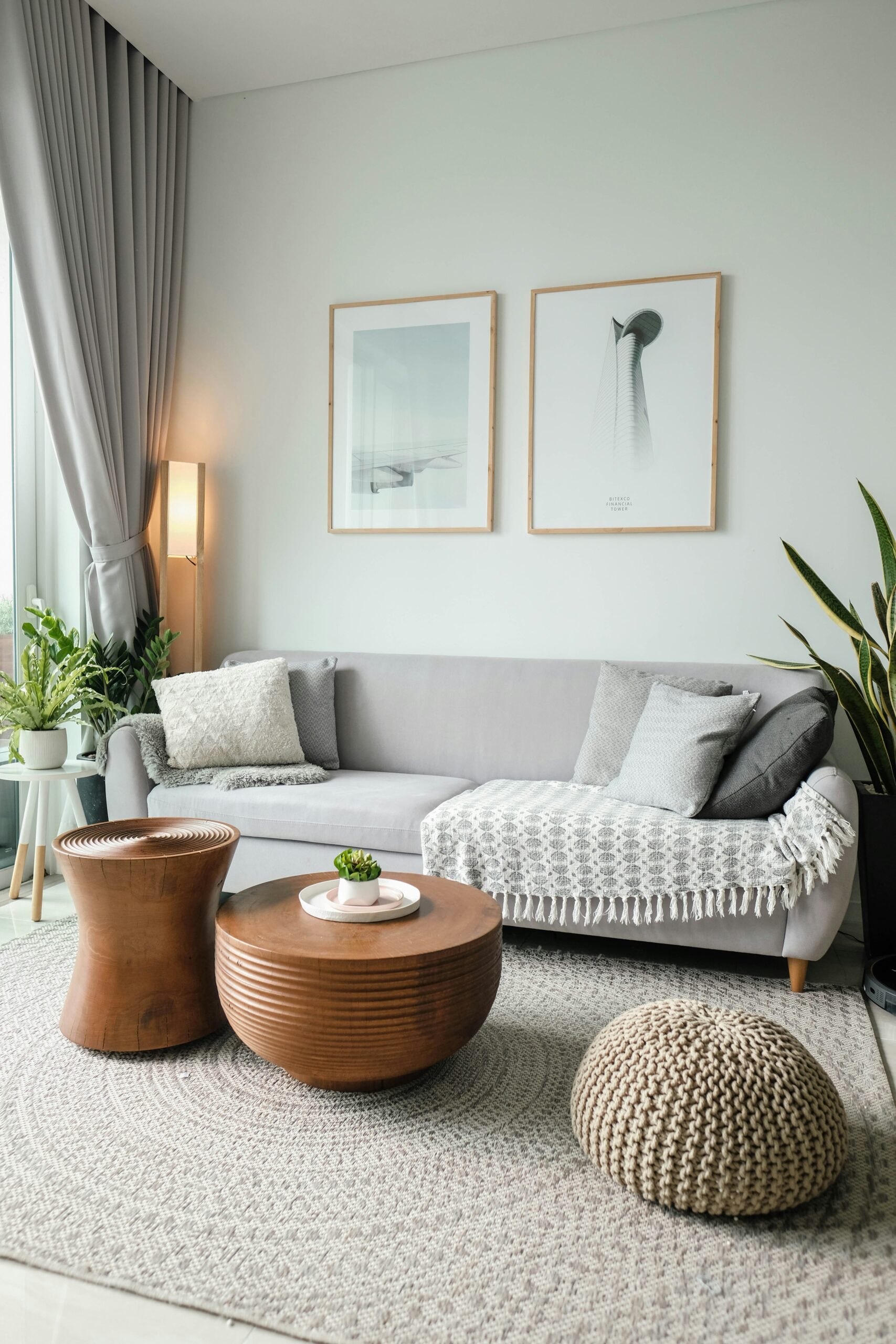
Sometimes, the best place to start is not a specific room. It is a feeling. Ask yourself how you want your home to feel. Calm? Inviting? Energized? The answer might point you toward the right project.
If your living room feels dark and closed off, adding light or opening up a wall could help. Does your kitchen stress you out? Improving the layout or traffic flow might be key. If you are craving a quiet space, maybe it is time to convert that underused spare room into something just for you. If your living room feels dark and closed off, adding light or opening up a wall could help. Does your kitchen stress you out? Improving the layout or traffic flow might be key. If you are craving a quiet space, maybe it is time to convert that underused spare room into something just for you. For families with evolving needs, exploring G.J. Gardner dual living home designs can also offer flexible solutions that support multigenerational living or added privacy.
Home improvements do not have to follow a trend or boost resale value to be worthwhile. They just have to support the way you live.
Balance Aesthetics With Practicality
It is easy to fall in love with a look you saw online. But not everything that looks good in a design magazine will work in real life. Matte black finishes? Gorgeous, but they show every fingerprint. Open shelving? Great for display, but tricky if your plates are mismatched.
When planning a project, think about what you need. Do not just go with what is trending. Do you want easy-to-clean surfaces? More hidden storage? Durable flooring that stands up to kids and pets? Know what matters before jumping into a project. Choose materials and designs that match your lifestyle, not just your Pinterest board.
That balance—style that makes sense is what gives a home character without making it complicated.
The Best Time to Start Is Now
Waiting for the “perfect” time to start improving your home is a trap. There is always something else going on. Prices fluctuate. Schedules fill up. Life gets in the way.
But here is the thing: you do not have to do it all at once. You just have to start. One room. One project. One update that makes daily life a little easier or a little more beautiful.
Improving your home is not about having every project finished. It is about making progress that feels good. And once you see how one change transforms your space, the next step often becomes clear.
All in all, every home has something worth improving. And every homeowner, whether experienced or just figuring it out, has the ability to make it better. Do not get stuck thinking you need a master plan. Start with what matters most to you, where you spend the most time, or what has been bugging you the longest.
A more functional, beautiful, and peaceful home does not come from doing it all at once. It comes from doing something. And that something can start today.
Leave a Reply