Updated on October 27th, 2025
AD – Collaborative Post | Summer is right around the corner, and it is time to get beach-ready with some essential waxing tips. Smooth, hair-free skin can help us feel confident when hitting the sand and surf. Proper preparation is key: Start by gently exfoliating a day or two before your waxing session to remove dead skin cells and prevent ingrown hairs. This simple step makes the waxing process smoother and more effective.
We all want the results to last as long as possible, right? Keeping skin hydrated and avoiding exfoliation for a few days post-wax can help maintain that smooth feel. It is about giving our skin a little TLC, allowing it to heal and stay radiant.
Flaunting soft, bump-free skin is easier when we are smart about our after-care routine. Whether it is our first time or we are waxing pros, there is something new to learn. Ready to make waves this summer with flawless skin? Keep reading for more tips on how to stay hair-free and confident all season long.
Understanding Hair Growth and Removal
Hair growth follows specific cycles, and knowing these can help us choose the best removal methods. Various techniques exist to manage hair effectively and keep skin smooth.
The Hair Growth Cycle
Hair grows in phases: anagen, catagen, telogen, and exogen.
During the anagen phase, hair is actively growing; this phase lasts 2 to 7 years. Longer anagen phases mean longer hair growth. Next, in the catagen phase, growth stops, and the hair follicle shrinks. This stage lasts around one to two weeks.
Following catagen, the telogen phase is the resting period. Lasting about 3 months, hair remains in the follicle without growing. Finally, in the exogen phase, the hair sheds, and new growth begins. Understanding these cycles allows us to plan waxing or laser removal for when hair is most responsive.
Methods of Hair Removal
Waxing and laser hair removal are popular choices today.
Waxing removes hair from the root, slowing regrowth and leaving skin smooth. It is best to wax every 4 to 6 weeks for optimal results. Laser hair removal uses light to target hair follicles, reducing hair growth over time. Each session weakens hair, eventually leading to smoother results and less regrowth.
Other options include shaving for quick results, though hair grows back quickly and may feel rough. Depilatory creams dissolve hair on the surface, requiring careful application to avoid irritation. Each hair removal method has pros and cons; choosing the right one depends on our needs and preferences.
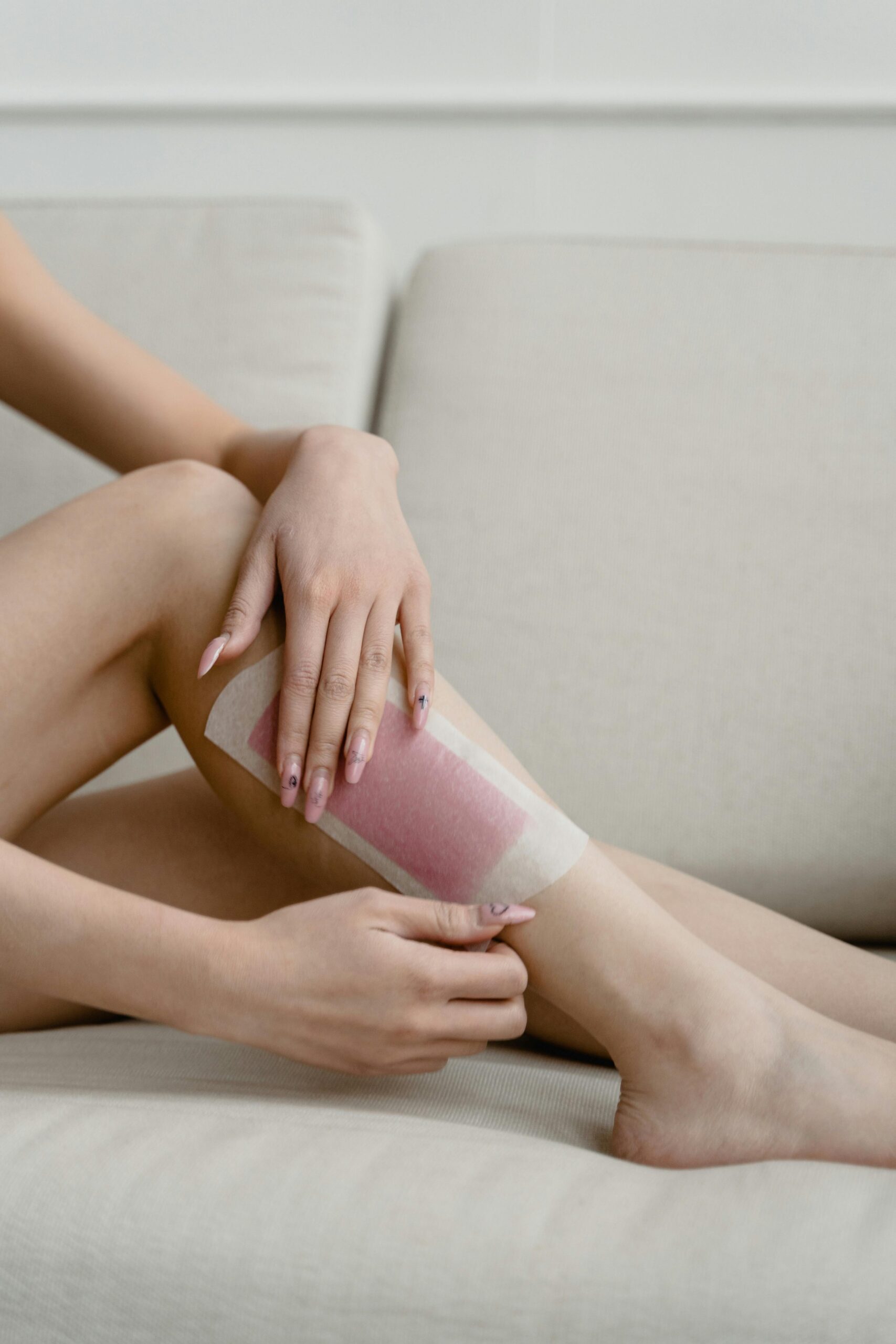
Preparing Your Skin for Waxing
Proper skin preparation before waxing can make a noticeable difference. We focus on key areas such as exfoliation, hydration, and timing to ensure the best results. Each step helps your skin handle waxing more effectively and reduces discomfort.
Exfoliation
Exfoliating a day or two before waxing is crucial. It helps remove dead skin cells, which can trap hair under the skin and lead to ingrown hairs. We suggest using a gentle exfoliator to avoid irritating your skin.
You could use a loofah, an exfoliating scrub, or even a dry brush for this process. Focusing on problem areas, like your legs or bikini line, is helpful. Always be gentle to maintain your skin’s natural balance and avoid redness or irritation.
Hydration
Keeping skin hydrated is a must when preparing for waxing. Moisturizing your skin regularly helps maintain its elasticity, making the hair removal process smoother. We recommend applying a light, non-greasy lotion daily to nourish the skin without clogging pores.
After exfoliating, follow with a good moisturizer. Opt for one with soothing ingredients like aloe vera or chamomile. Remember, hydrated skin not only feels better but also allows the wax to grip the hair more effectively, leading to a cleaner removal and less pain during your waxing session.
Timing Your Wax
Timing is everything when it comes to waxing. The ideal hair length for waxing is about 1/4 inch, or about 6 millimeters, ensuring the wax can grip the hair properly. We advise scheduling waxing sessions every four to six weeks, allowing for optimal hair growth.
Avoid waxing right before or after your period, as skin can be more sensitive. Scheduling a wax mid-cycle can reduce discomfort. Allow a minimum of two days after a previous wax before your next session, giving your skin adequate time to heal. Planning sessions wisely can greatly improve your waxing experience.
Waxing Techniques for Summer
When we plan for summer waxing, it is all about choosing the right product and knowing how to handle sensitive spots. Let us tackle these key areas so we all can enjoy smooth, worry-free skin.
Choosing the Right Wax
The first step is picking the best wax for our needs. There are hard waxes and soft waxes. Hard waxes cool and harden on the skin. They are gentle and ideal for sensitive areas because they stick to the hair and not the skin.
On the other hand, soft wax is applied warm and needs a cloth strip to remove it. It works well for larger areas like arms and legs. It sticks to both hair and skin, which might cause more discomfort but can be more thorough. Think about what area you will be treating and choose wisely.
Trying out different brands might also be a good idea. Make sure we choose one that works well with our skin type and hair thickness. Doing so can make the process more comfortable and efficient.
Using high-quality wax can make a significant difference in results. Tress Wellness offers an excellent waxing kit that is beginner-friendly and ideal for at-home use. Their wax formula is gentle yet effective, ensuring a smooth and irritation-free experience. Whether tackling larger areas like legs or sensitive zones like the bikini line, investing in a good-quality wax can improve your hair removal process.
Waxing Sensitive Areas
Waxing sensitive areas requires extra care. Places like the bikini line, underarms, and face need us to be gentle. It is best to use hard wax for these areas since it is less sticky on the skin.
Before waxing, exfoliate lightly to remove dead skin cells, but do not overdo it. Keep the skin clean and dry to help the wax adhere better and reduce irritation.
During the waxing process, pull the wax off in the opposite direction of hair growth while keeping the skin taut to minimize pain. Applying aloe vera gel or a gentle moisturizer immediately after can soothe irritation and prevent bumps. We are aiming for smooth, calm skin, so taking it slowly and using the right techniques is key.
Aftercare and Maintenance
Summer waxing needs some specific care to maintain smooth skin and keep it looking great. It is all about soothing the skin, stopping pesky ingrown hairs, and making sure the results last as long as possible. Let us get into the details.
Soothing Post-Wax Skin
After waxing, our skin needs some extra care to calm down any redness or irritation. It is smart to use soothing products like aloe vera gel or unscented lotion. This helps in cooling the skin and locks in moisture.
Avoid applying heat, so skip hot showers and saunas for at least 24 hours. Loose clothing is a must. It reduces friction and lets your skin breathe. Gentle care helps in faster recovery, making sure our skin stays soft and healthy all summer.
Preventing Ingrown Hairs
Ingrown hairs can be a real hassle, but we can tackle them with the right steps. Regular exfoliation is key. We should exfoliate a couple of days after waxing to remove dead skin cells. This keeps the pores clear and reduces the chance of ingrown hairs.
Using products with salicylic acid or tea tree oil can also help. These ingredients have anti-inflammatory properties that reduce irritation. Besides, keeping our skin moisturized prevents dryness, which can cause more ingrowns. Consistent prevention keeps our skin smooth and bump-free.
Extending the Results
To make the results of waxing last longer, it is all about reducing regrowth. Try not to shave between waxing sessions. Shaving disrupts the hair growth cycle, which can make regrowth more noticeable.
If we must shave, do it sparingly and use a high-quality razor. Keeping up with regular waxing sessions, about every 3-4 weeks, will help with thinning the hair over time. Also, try applying natural oils like jojoba or coconut. This can help nourish our skin and keep it looking fresh and radiant.
By sticking to these aftercare tips, we can enjoy smooth, flawless skin throughout the summer without any stress. Consistency is what guarantees we stay beach-ready.
thanks for your post have a nice day
Thanks! You too!
Excellent tips.
Thanks!