Updated on May 11th, 2026
Guest Post | Winter might not seem like a busy time for gardeners. But it is something worth preparing for in advance. That way, when the weather brightens up again in spring, you will not find yourself playing catch-up. Let us take a look at several of the most important tasks to prepare your garden for the winter.
Clean Up and Mulch
The first job is to get rid of all the debris that might be littering the pathways and lawns. Fallen leaves and dead plants are a store for moisture and a breeding ground for disease-causing pathogens that might spread to the rest of your garden. Clear everything up and stick it on the compost heap.
You can then cover your flowerbeds with a thick layer of mulch. This will keep the roots of those plants warm, and help the soil to remain moist.

Prune and Protect Plants
At this time of year, you might perform a stock-take of the trees and bushes in your garden. Look for branches that show signs of disease or are not productive and prune them – but be aware of the danger of over-pruning.
If your garden contains any particularly delicate plants, then you can wrap them in burlap, or use a special cover to protect them. In some cases, it might even be beneficial to bring them indoors – which is why pots make a great match with delicate plants.
Feed the Bees
As you prepare your garden for winter, it is also important to consider how to support local pollinators, especially bees, during the colder months. Beekeeping enthusiasts know that bees require a consistent food source, even when flowers are no longer blooming. This is where a bee feed comes in handy. By placing winter Beefeed in your garden, you can provide essential nutrients to your bees, helping them survive the winter and be ready to pollinate your plants in the spring. This small step can make a big difference in maintaining the health of your garden and supporting the local ecosystem.
Set Up Winter Lighting
Just because it is winter does not mean that your garden cannot look spectacular. If you want to bring life to the space during the evenings, then you might invest in a few lanterns. These can be installed around pathways and overhead in outdoor seating and dining areas.
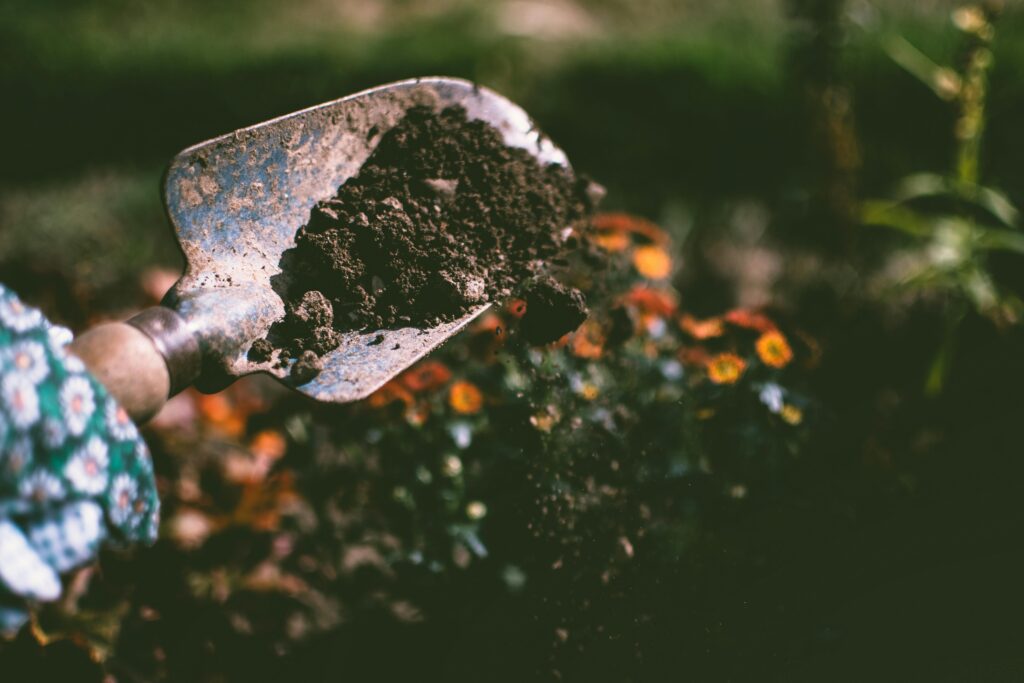
Prepare Your Soil
Now might be a good time to test your soil. Once you have an idea of the nutrients you are missing and the acidity level of your soil, you can invest in the appropriate fertilizer. By the time spring comes around, the balance might be more favorable and the soil that much more fertile.
Protect Garden Furniture and Decor
Your outdoor furniture is also likely to be vulnerable to mold and rust – depending on the material it is made from. If you have any mobile, fragile items on display, then now might be a good time to put them into storage. If the item in question cannot be moved into storage, then you might cover it with a tarp.
Plan for Spring
If you are serious about gardening, then you might have big ideas for the following year. That being said, this might be an appropriate juncture for reviewing the year, and drawing up your plans for the next time spring rolls around. In some cases, you might even order the supplies that you know you will need for next year – that way, you will be able to hit the ground running.
Great tips! Preparing now makes spring gardening so much easier. I love the idea of adding winter lighting to keep the garden lively.
Thank you! It would be a good idea to add some winter lighting!
Great advice. I am about to do some gardening. I need some subtle lights.
Thank you! I hope it goes well!