Guest Post | Welcoming a new companion animal into your family is always a process that calls for a little bit of care and sensitivity. Your new arrival will be feeling nervous and unsure, pulled away from everything that was once familiar with it. Whether you bought from a breeder or adopted in a rescue centre, your next steps should be the same. Below, we have outlined five of the key things to do when welcoming a new animal to your household.
Prepare the House
When you have an animal – and particularly a young one – it is highly likely that there might be a small accident or damage to your house in some way.
Try to set yourself and your house up for success by removing anything vulnerable or chewable before your new arrival settles in. If you are buying a puppy, for example, that could mean removing fluffy rugs, cushions, and throws from your living room. It is worth learning how to puppy proof your house in those first few weeks.
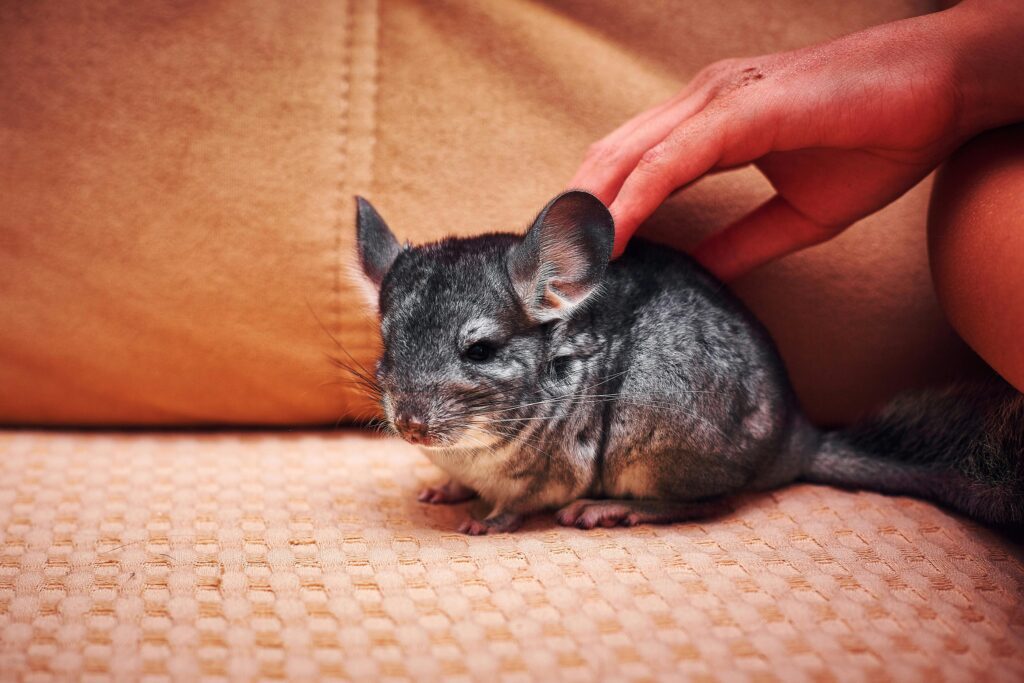
If you are buying a smaller pet such as a guinea pig or chinchilla, it is unlikely that you will need to change your home setup, but you may need to make room for the cage or enclosure. Leaving smaller animals alone for the first day or two may help them to emerge and feel more confident in their new surroundings.

Buy the Right Supplies
Next, your new addition will need a few essentials to get them started and feel comfortable in your home.
If you are buying a guinea pig, consider buying tasty vegetables, soft bedding, and quality guinea pig hay to help them settle in. Remember, most animals are hungry, so you can always make them feel more relaxed with food.
If you are buying a kitten or cat, you should embrace this animal’s playful nature by adding some cat toys or climbing furniture in your house too. Cats can be very entertaining!
Arrange Healthcare
Buying a new animal is a commitment to their life. To make sure you can keep them as healthy as possible, it is important to register your new companion with a local vet.
Many cat and dog owners also opt for insurance policies, which can help contribute to treatment bills in the event of unexpected illness or injury. You should always do your research to find helpful supplements and dietary additions to help your animal flourish and thrive.

Prepare Your Family
Getting a new animal is exciting for everyone in the household, but it is important not to let your feelings get in the way of the animal’s well-being.
If you have young children, talk to them and ensure that they feel calm. Too much excitement or chaotic energy can distress a young animal, especially if it has only just been brought home. And while these emotions may be well intended on our side, they can cause problems further down the line when an animal cannot relax in the home.
Enjoy Your New Best Friend
Finally, remember that it is not all serious when you bring any new companion animal home, and it can be fun.
The next few weeks will be time for both of you to spend time together, which feels more rewarding as your animal learns to trust you. Though there will be bumps in the road, animal ownership is undoubtedly fulfilling. If you are lucky enough to experience a bond with an animal. you will cherish these memories for the rest of your life.
This is very helpful! Planning ahead and getting your home ready for your new pet makes the experience that much smoother. Thanks for sharing!
Thank you! I completely agree! When we adopted our 2 kittens, it was very sudden, so we had to quickly stop by the pet store to pick up the essentials before going to pick them up!
A Precious induction of love.
Yes!
My daughter keeps asking for a puppy but we were able to babysit one the other day and it was sooo much work, especially with two kids. I’ll wait until maybe she’s about 7 and can take care of the puppy herself. haha
http://www.lilacandlaceblog.com
Taking care of a puppy is a lot work especially if you have young kids! We adopted 2 kittens earlier this year, and my daughter is 8 so she can help take care of them!