Updated on October 27th, 2025
AD – Collaborative Post | Adopting eco-friendly habits at home is a significant step toward living sustainably. By making small changes in your daily routines, you can reduce your carbon footprint and contribute to a healthier planet. Here are some practical tips to help you get started.
Reduce, Reuse, Recycle
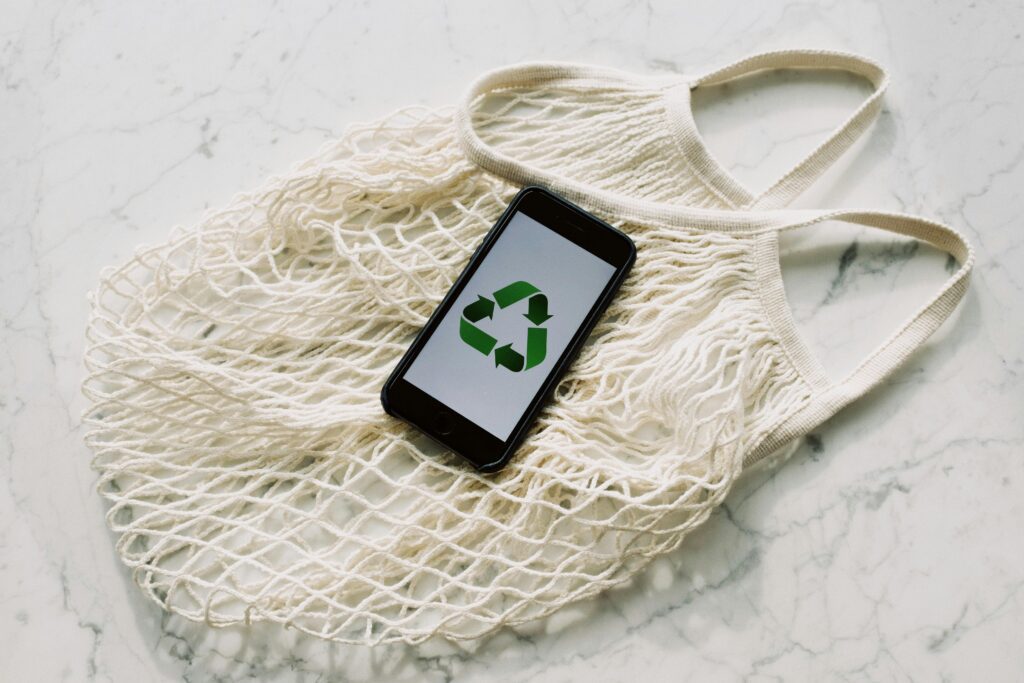
The three Rs – reduce, reuse, and recycle – are fundamental to sustainable living. Start by reducing the amount of waste you produce. Buy products with minimal packaging, and avoid single-use plastics. Instead of disposable items, choose reusable alternatives like cloth bags, stainless steel water bottles, and glass containers. Recycling is also crucial; ensure you sort your waste correctly and recycle materials such as paper, plastic, and glass.
Opt for Energy Efficiency
Energy consumption has a significant impact on the environment. To reduce your household’s energy use, switch to energy-efficient appliances and light bulbs. Use LED bulbs, which consume less power and last longer than traditional incandescent bulbs. Unplug electronic devices when not in use, and consider installing a programmable thermostat to optimize heating and cooling. These small changes can lead to substantial energy savings over time.
Consider investing in solar energy solutions to further enhance your home’s eco-friendliness. Utilizing solar panel systems can significantly decrease your reliance on conventional electricity sources and lower your utility bills. Embracing these sustainable practices helps you contribute to a greener planet while enjoying long-term financial benefits.
Conserve Water
Water is a precious resource, and conserving it is essential for sustainability. Install low-flow faucets and showerheads to reduce water usage. Fix any leaks promptly to prevent water wastage. Collect rainwater for gardening, and use a broom instead of a hose to clean driveways and sidewalks. Simple actions like turning off the tap while brushing your teeth can also make a significant difference and set you on the path to living sustainably.
Embrace Sustainable Transportation
Transportation is a major source of greenhouse gas emissions. Reduce your carbon footprint by embracing sustainable transportation options. Whenever possible, walk, bike, or use public transportation. Carpooling is another excellent way to cut down on emissions. If you need to drive, consider investing in a fuel-efficient or electric vehicle. These choices help reduce air pollution and conserve fossil fuels.
Choose Eco-Friendly Products
Making eco-friendly choices in the products you buy can have a positive impact on the environment. Opt for items made from sustainable materials and those with minimal packaging. For example, when packing lunches, use a compostable sandwich bag instead of a plastic one. Compostable bags break down naturally and are less harmful to the environment. Additionally, choose household cleaners, toiletries, and other products that are biodegradable and free from harmful chemicals.

Grow Your Own Food
Growing your own food is a rewarding and sustainable practice. Start a vegetable garden in your backyard or use containers if space is limited. Growing your own produce reduces the need for transportation and packaging, and it ensures you have access to fresh, organic food. Compost kitchen scraps to create nutrient-rich soil for your garden, closing the loop on food waste.
Reduce Meat Consumption
Meat production has a significant environmental impact, including high water usage and greenhouse gas emissions. Reducing your meat consumption, even by having one meat-free day a week, can make a difference. Explore plant-based protein sources like beans, lentils, and tofu. Not only is this better for the planet, but it can also benefit your health.
Support Sustainable Brands
Supporting brands that prioritize sustainability is another way to make a positive impact. Research companies to learn about their environmental practices and choose to buy from those who are committed to eco-friendly operations. By supporting sustainable brands, you encourage more businesses to adopt green practices.
Conclusion
Living sustainably at home involves making mindful choices that reduce your environmental impact. By reducing waste, conserving energy and water, embracing sustainable transportation, and choosing eco-friendly products, you can contribute to a healthier planet. Adopting these habits not only benefits the environment but also enhances your quality of life. Start small, and gradually incorporate more sustainable practices into your daily routine for a greener future.
It’s great to see more and more ways to live sustainably, something we can all do to some degree and in some way. Thanks for this reminder to find ways to introduce these eco friendly habits.
You’re welcome!
These are all really great and simple tips to help implement more eco-friendly habits in your daily life! Thanks for sharing this! 🙂
https://melissakacar.com
Thank you and you’re welcome!
Thank you for sharing these eco-friendly habits! I try to do most of these but I still could do more, so thank you for the reminder. I don’t currently grow any of my own food but I’d love to try that!
You’re welcome! My partner’s mom has a garden home with a greenhouse so we’ve grown veggies & fruit!
V*.ery smart tips. Regarding water, many people need a lesson in how to use it because they use too much of it unnecessarily.
Thank you and I agree! It’s important to only use the water you need